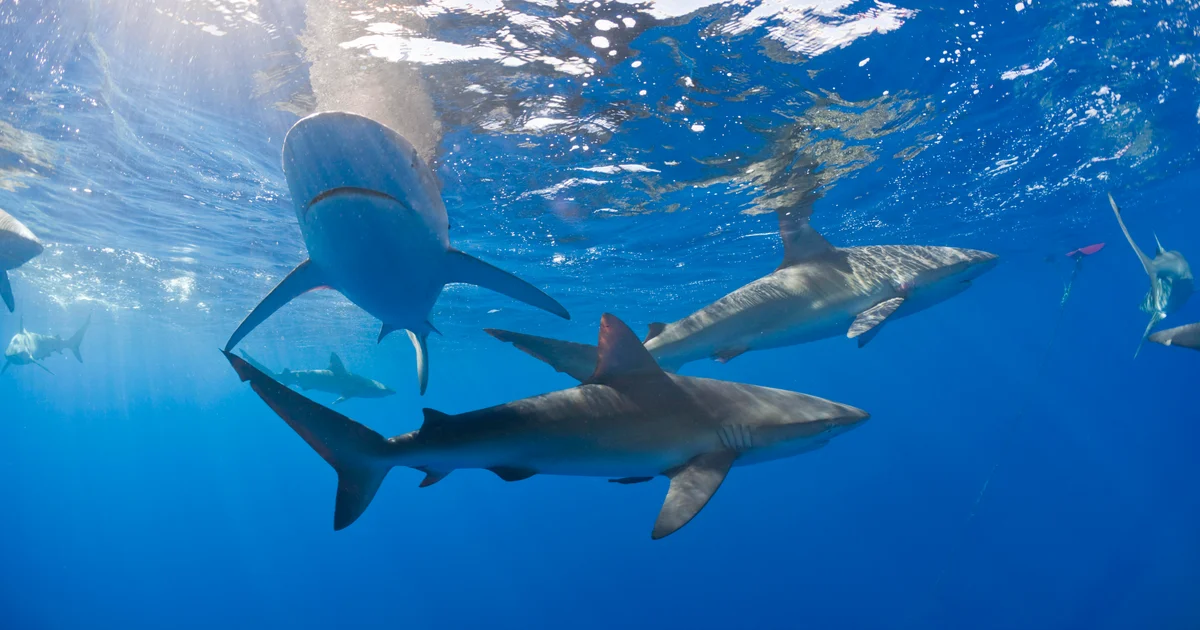
Sharks in the Bahamas are ingesting a variety of substances including caffeine, painkillers, and even cocaine, according to a new study by marine scientists. This could potentially impact their health and behavior. The research team analyzed blood samples from 85 sharks of five different species, capturing them about four miles off the coast of a remote island. Twenty-eight of these sharks tested positive for caffeine, two common over-the-counter anti-inflammatory painkillers, or cocaine in one instance.
The study highlights that medications, illicit drugs, and other substances are becoming increasingly recognized as contaminants of emerging concern in oceans. Areas undergoing rapid urbanization and tourism-driven development are especially at risk. This is the first study examining the effect of these contaminants on sharks in the Bahamas. Lead author Natascha Wosnick noted that while cocaine detection draws immediate attention, the widespread presence of caffeine and pharmaceuticals in many analyzed sharks is equally alarming.
The data showed changes in metabolic markers linked to stress and metabolism in sharks with contaminated blood. The researchers are unsure if these changes are harmful but suggest they could lead to behavioral changes. Primary concerns include potential implications for shark health and stability rather than increased aggression toward humans. Chronic exposure to anthropogenic compounds, many of which have no natural marine analogues, may lead to negative effects that are poorly understood.
Marine biologist Tracy Fanara noted experiments simulating cocaine exposure led to “strange behavior” in sharks, requiring further research. Her goal was to highlight the real problem of chemicals in waterways impacting aquatic life and eventually humans. A 2024 study found sharks off Brazil tested positive for high levels of cocaine, with each of the 13 examined sharks testing positive for these substances. More data is needed to understand how these substances affect sharks and other wildlife.
The Aga Khan University's (AKU) Centre for Innovation in Medical Education (CIME), Karachi, hosted SIMPACT…
Meezan Bank, Pakistan's premier Islamic bank, once again partnered with The Indus Hospital & Health…
Pakistan’s leading digital microfinance bank, Mobilink Bank, and Yango, part of the global technology company…
Pakistan’s freelancing market is rapidly emerging, and the export earnings of Pakistani freelancers are expected…
To celebrate the release of Atif Aslam’s highly anticipated new album, Subah Aye Na, Spotify…
KARACHI: Supernet Technologies Limited (STL) is looking to strengthen its working-capital capacity as a growing…
This website uses cookies.
