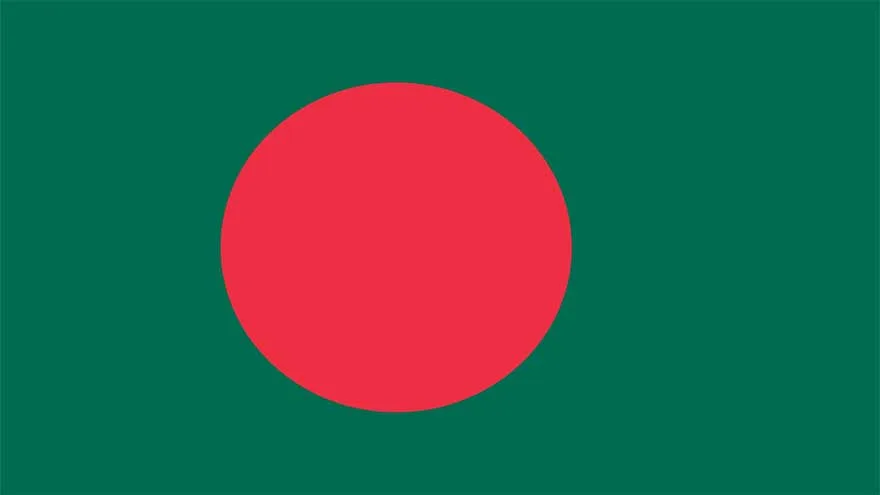
In Bangladesh, an election looms on the horizon that could redefine its political landscape after years of instability. The national legislature consists of 350 members, with 300 elected through direct voting and another 50 reserved for women. This parliamentary event marks the first following a violent ousting of former Prime Minister Sheikh Hasina by nationwide protests in 2024.
The upcoming election is pivotal for Bangladesh’s future stability; more than 127 million eligible voters are participating, including some 6 million who have never cast their vote before. A diverse electorate comprises approximately 64.8 million males and 62.9 million females, with the participation of a small but significant number of transgender individuals.
About two thousand candidates will compete for parliamentary seats across the country’s 42,779 polling stations. More than eight hundred thousand staff members are deployed at these locations to ensure fair elections overseen by an interim administration committed to free, fair, and peaceful proceedings. Nine hundred thousand security personnel have also been mobilized.
International observers, including representatives from the European Union and the Commonwealth, will be present in Bangladesh to monitor the election process, aimed at setting a precedent for transparent governance. These external monitors emphasize that this event is crucial for establishing confidence among voters and international partners alike.
The political contest features two prominent factions: The Bangladesh Nationalist Party (BNP) under son of former Prime Minister Khaleda Zia, Tarique Rahman, vying to lead the next government; and an alliance comprising eleven parties, with Jamaat-e-Islami, Bangladesh’s largest Islamist group, at its helm. A new party formed by student activists, known as the National Citizen Party (NCP), is also part of this coalition.
Past elections have not been without controversy. The 2014, 2018, and most recently in 2024 under Sheikh Hasina’s administration were widely perceived to be rigged or boycotted by her major opponents, highlighting the need for a free and fair electoral process going forward.
Bangladesh utilizes a first-past-the-post system with multiple parties. To secure control of parliament, any coalition must secure at least 151 seats out of the total of 350 available positions. This upcoming election promises to be a critical test of democracy in Bangladesh, with high hopes resting on its success for fostering stable governance and national cohesion.
The Aga Khan University's (AKU) Centre for Innovation in Medical Education (CIME), Karachi, hosted SIMPACT…
Meezan Bank, Pakistan's premier Islamic bank, once again partnered with The Indus Hospital & Health…
Pakistan’s leading digital microfinance bank, Mobilink Bank, and Yango, part of the global technology company…
Pakistan’s freelancing market is rapidly emerging, and the export earnings of Pakistani freelancers are expected…
To celebrate the release of Atif Aslam’s highly anticipated new album, Subah Aye Na, Spotify…
KARACHI: Supernet Technologies Limited (STL) is looking to strengthen its working-capital capacity as a growing…
This website uses cookies.
