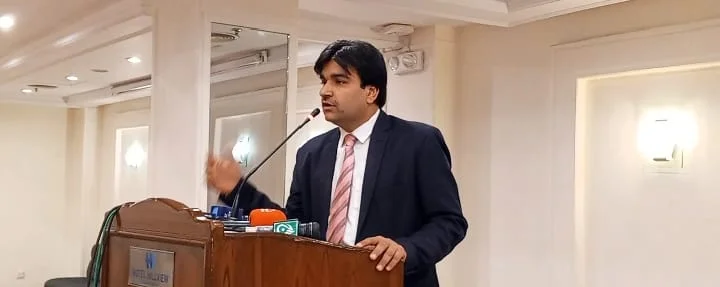
Health activists, led by the Society for the Protection of the Rights of the Child (SPARC), convened a briefing session with journalists on Wednesday to address the pressing issue of tobacco consumption in Pakistan.
During the session held at a local hotel, SPARC, along with other organizations, revealed their collective effort in petitioning the Finance Ministry to ramp up taxation on cigarettes.
The proposed measure calls for a substantial 26% increase in tobacco taxation in the upcoming federal budget. Pakistan grapples with a formidable challenge posed by widespread tobacco usage, with a staggering 31.9 million adults aged 15 years and above identified as current tobacco users, constituting nearly 19.7% of the adult population. The grim reality of smoking-related illnesses claims over 160,000 lives annually, marking a substantial 1.6% toll on the nation’s GDP each year.
Read: KTC calls for action against surge in cigarette smuggling
Dr. Khalil Ahmad, program manager at SPARC, underscored the urgency of addressing the affordability of cigarettes and the devastating toll of smoking on public health. He emphasized that when cigarettes are inexpensive, it incentivizes more people, particularly the youth and those with limited financial means, to initiate or sustain the habit despite the well-documented health risks. The loss of innocent lives due to smoking-related illnesses is both tragic and preventable, highlighting the critical need for effective tobacco control measures, including heightened taxation to deter consumption.
Malik Imran Ahmad, Country Head of Campaign for Tobacco-Free Kids (CTFK), echoed the sentiments, citing the recommendations of global health organizations like the World Health Organization and the World Bank. He emphasized that a 26.6% increase in Federal Excise Duty (FED) proposed for the fiscal year 2024-25 could significantly curb consumption and generate revenue for healthcare. Such a measure not only aids in offsetting a substantial portion of healthcare costs but also has the potential to dissuade hundreds of thousands from smoking. Additionally, the projected revenue surge could bolster funding for various public health initiatives, fortifying the national economy.
The extent of tobacco consumption in Pakistan and its associated health and economic burdens due to the easy affordability of cigarettes have raised serious concerns among organizations such as the Human Development Foundation, Aurat Foundation, and Chromatic Trust, alongside SPARC. The collective plea for increased cigarette taxes underscores the gravity of the smoking epidemic and the imperative for swift and decisive action to address it.
This post was last modified on May 15, 2024 7:37 pm
Pakistan’s leading digital microfinance bank, Mobilink Bank, and Yango, part of the global technology company…
Pakistan’s freelancing market is rapidly emerging, and the export earnings of Pakistani freelancers are expected…
To celebrate the release of Atif Aslam’s highly anticipated new album, Subah Aye Na, Spotify…
KARACHI: Supernet Technologies Limited (STL) is looking to strengthen its working-capital capacity as a growing…
Master Changan Motors Limited (MCML), Pakistan’s No.1 new entrant and leading Chinese automotive brand, is…
The International Finance Corporation (IFC) and Bank Alfalah Limited have signed a Project Agreement marking…
This website uses cookies.
