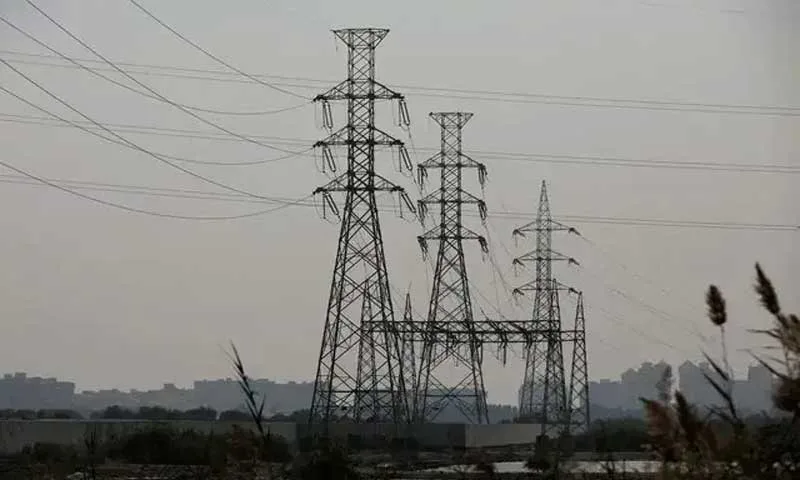
In a significant move for Pakistan’s electricity market, the federal government has proposed introducing monthly fixed charges ranging from Rs200 to Rs675 on more than 28.5 million residential consumers. This measure is intended to generate around Rs125 billion and fund a relief package for industrial users.
The revised Schedule of Tariff (SoT) was submitted to the National Electric Power Regulatory Authority (Nepra) on Friday, with its placement under notice for an early public hearing. While officials emphasized this exercise is largely procedural due to Nepra’s obligation to adhere to government policy guidelines, they acknowledged that cabinet approval and revenue impacts are significant.
Cabinet approval of fixed charges, which exclude lifeline consumers using less than 100 units per month, was granted by the federal cabinet on February 4. This decision came just over three weeks after a national average tariff reduction—effectively denying consumers a 62-paise per unit decrease—was announced.
The new tariff structure is expected to yield Rs106 billion through tariffs and an additional Rs19 billion in sales tax, allowing the government to reduce industrial cross-subsidies while remaining within the IMF-approved budgetary subsidy ceiling. Under this plan, protected consumers using up to 100 units will pay a fixed charge of Rs200 per month, those consuming up to 200 units will be charged Rs300 if they maintain their consumption for six consecutive months.
Non-protected consumers crossing the 100-unit threshold will face a fixed charge of Rs275, with higher slabs rising to Rs675 for households using over 500 units per month. Approximately 0.41 million consumers are expected to be affected by this highest slab. The Power Division indicated that these changes reflect the grid’s high fixed costs and aim to address structural distortions caused by volumetric tariffs, which have disproportionately burdened some consumers and encouraged a shift toward off-grid solar solutions.
Separately, Nepra approved an increase in net fuel costs of Rs1.21 per unit for February electricity bills, following the expiration of a 93-paise negative adjustment in December 2025. The Power Division noted that the number of subsidised and low-income consumers has more than doubled to 21 million over the past three years, offsetting earlier per-unit relief.
The decision sparked criticism from business groups, including the textile sector and the Federation of Pakistan Chambers of Commerce and Industry. In response, Prime Minister Imran Khan later announced a Rs4.04 per unit tariff cut for export-oriented industries.
Looking ahead, electricity tariff rebasing will now take place on a calendar-year basis starting January 1 instead of the fiscal year, helping to avoid sharp price increases during peak summer consumption months. The total revenue requirement for distribution companies this year stands at Rs3.379 trillion, with Rs249 billion allocated for budgetary subsidies.
The proposal has generated mixed reactions from various stakeholders in Pakistan’s electricity sector, reflecting ongoing efforts to balance fiscal needs with consumer affordability and industrial support.
Ben Affleck reportedly handed over entire stake of Beverly Hills mansion to ex-wife Jennifer Lopez.…
Hundreds of Afghan refugees are returning to their homeland through the Chaman border daily. According…
Prince Harry and Meghan Markle reportedly facing tensions due to resurfaced flirty text messages between…
Balochistan's socio-political paradox stems from vested interests and incompetence. On April 5, Chief Minister Mir…
Pakistan continues its ongoing repatriation process for over 13,000 citizens from Iran. The latest day…
King Charles set to address nation for Queen Elizabeth II's milestone birthday On April 21,…
This website uses cookies.
