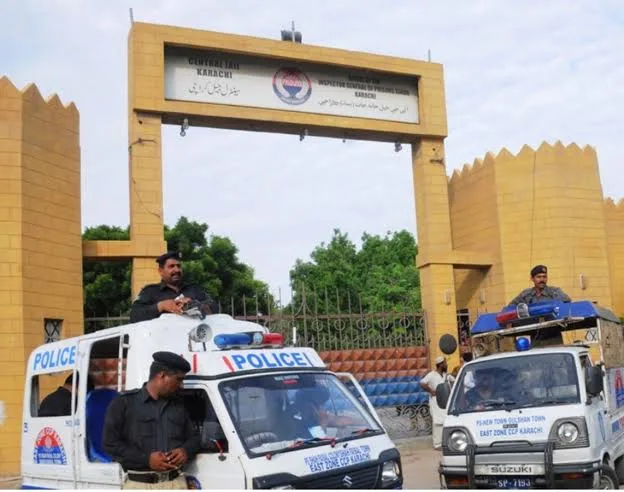
Sindh Chief Minister Syed Murad Ali Shah has launched two groundbreaking solar energy initiatives in Karachi, marking a step forward for sustainable power solutions in the province. The first project involves converting the Karachi Central Jail to solar energy, while the second focuses on partially solarizing the Dow University of Health Sciences Ojha Campus.
The Karachi Central Jail, which previously required more than 549 kilowatts of electricity, now receives 614.8 kilowatts of solar energy under the Sindh Solar Energy Project. Any surplus energy produced by the system will be routed into the K-Electric grid, benefiting the city’s overall power supply.
With a project cost of Rs216 million, the conversion is expected to pay for itself in just three years. The province is set to save around Rs64.26 million annually over the next 25 years, providing long-term financial relief to the government.
Simultaneously, the Chief Minister inaugurated a solar power project at Dow University of Health Sciences Ojha Campus. Twelve out of the 27 buildings on campus are now running on solar energy. This initiative, also carried out under the Sindh Solar Energy Project, was made possible in collaboration with the World Bank.
The Dow University project, costing Rs290 million, generates 2.32 megawatts of power. Officials estimate that it will recoup its investment within two and a half years, further advancing Karachi’s shift towards renewable energy solutions.
Pakistan’s freelancing market is rapidly emerging, and the export earnings of Pakistani freelancers are expected…
To celebrate the release of Atif Aslam’s highly anticipated new album, Subah Aye Na, Spotify…
KARACHI: Supernet Technologies Limited (STL) is looking to strengthen its working-capital capacity as a growing…
Master Changan Motors Limited (MCML), Pakistan’s No.1 new entrant and leading Chinese automotive brand, is…
The International Finance Corporation (IFC) and Bank Alfalah Limited have signed a Project Agreement marking…
Meezan Bank, Pakistan’s premier Islamic bank, has inaugurated its first Service Center at Clifton Bridge,…
This website uses cookies.
