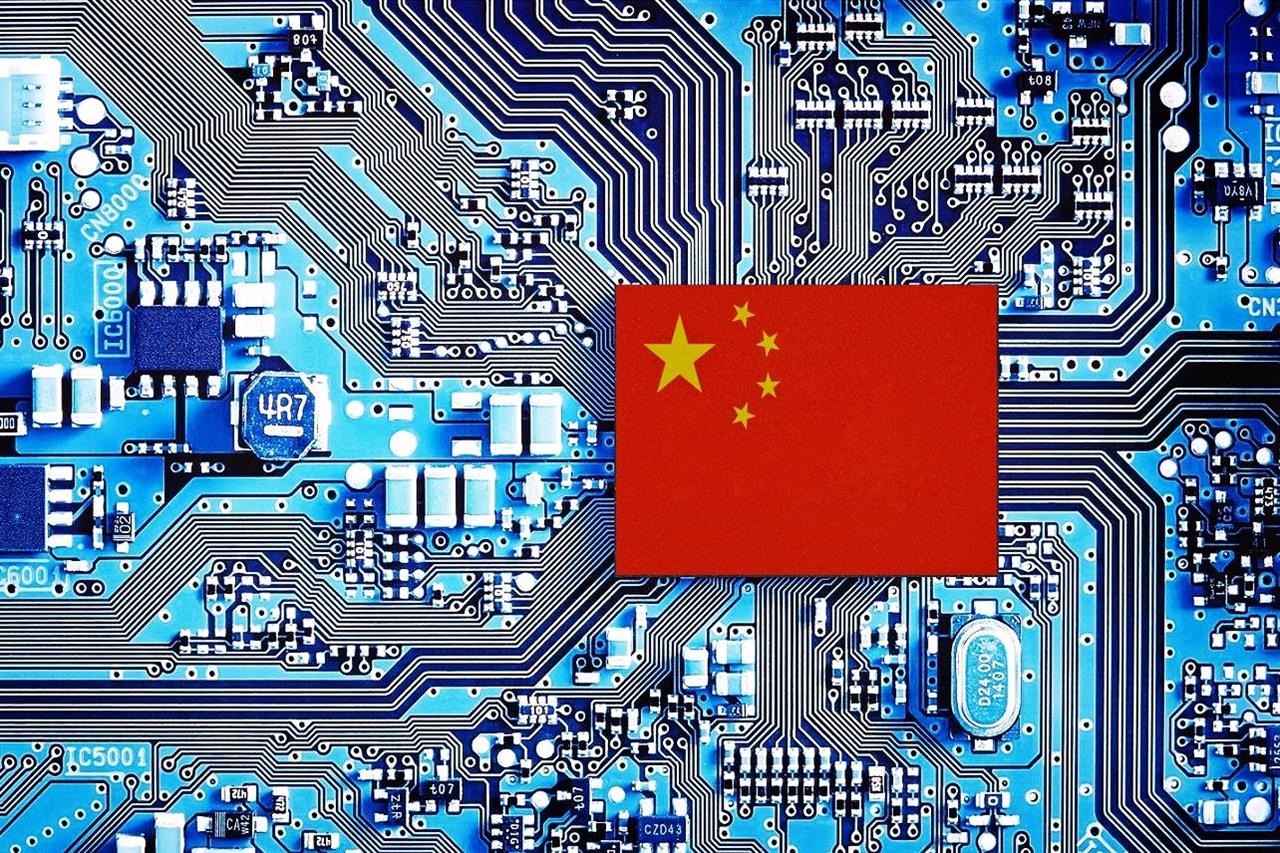
Chinese semiconductor design companies are increasingly partnering with Malaysian firms to assemble a portion of their high-end chips, a move aimed at diversifying supply chains and reducing risks associated with potential U.S. sanctions on China’s chip industry, according to sources familiar with the matter, as reported by Reuters.
The Chinese companies are specifically seeking assembly services for graphics processing units (GPUs), and some contracts have already been agreed upon, according to three sources with knowledge of the discussions.
The requests for assembly services, limited to assembly and not the fabrication of chip wafers, do not violate any U.S. restrictions. The decision to collaborate with Malaysian chip packaging firms is seen as a precautionary measure amid escalating restrictions imposed by the U.S. on China’s chip industry.
While the names of the involved companies remain undisclosed due to confidentiality agreements, the move highlights the growing challenges faced by smaller Chinese semiconductor design firms in securing advanced packaging services domestically. With the increasing demand for high-end GPUs for artificial intelligence and military applications, coupled with U.S. restrictions, Chinese companies are exploring alternatives for advanced chip packaging services.
Malaysia, a key player in the global semiconductor supply chain, is viewed as an ideal partner for Chinese chip firms diversifying their assembly needs outside of China. Unisem, majority-owned by China’s Huatian Technology, and other Malaysian chip packaging companies, such as Malaysian Pacific Industries and Inari Amertron, have reportedly witnessed increased business and inquiries from Chinese clients.
Chinese chip design firms are drawn to Malaysia due to its perceived neutrality in geopolitical conflicts, affordability, experienced workforce, and advanced infrastructure. The move to outsource chip assembly services to Malaysia is also seen as a strategic decision to ease the sale of Chinese products in non-Chinese markets.
As the semiconductor industry continues to navigate geopolitical uncertainties, Malaysia’s prominence in the sector is growing. The country currently accounts for 13% of the global market for semiconductor packaging, assembly, and testing, with plans to increase this share to 15% by 2030. The influx of Chinese chip firms into Malaysia, including investments from companies like Xfusion and StarFive, reflects the country’s attractiveness as a hub for semiconductor manufacturing.
While U.S.-China tensions remain a concern, other nations, including Vietnam and India, are also positioning themselves to expand into chip manufacturing services, aiming to attract clients seeking to minimize geopolitical risks in the semiconductor industry.
Pakistan’s leading digital microfinance bank, Mobilink Bank, and Yango, part of the global technology company…
Pakistan’s freelancing market is rapidly emerging, and the export earnings of Pakistani freelancers are expected…
To celebrate the release of Atif Aslam’s highly anticipated new album, Subah Aye Na, Spotify…
KARACHI: Supernet Technologies Limited (STL) is looking to strengthen its working-capital capacity as a growing…
Master Changan Motors Limited (MCML), Pakistan’s No.1 new entrant and leading Chinese automotive brand, is…
The International Finance Corporation (IFC) and Bank Alfalah Limited have signed a Project Agreement marking…
This website uses cookies.
