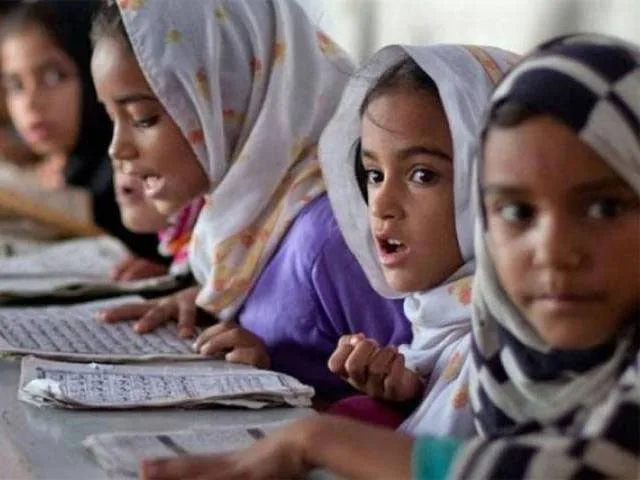
Climate Change Throws a Curveball on Punjab’s Educational Activities
Punjab’s schools have been hit with repeated closures due to erratic weather conditions in 2025. The region, known for its vibrant educational system, saw an unprecedented number of days lost as smog levels soared and winters became more harsh.
According to education officials, the climate-related interruptions added up to an extra 20 to 25 school days compared to a typical year’s academic calendar. Persistent smog between November and January forced schools in several cities to close for nearly ten days during this period. This trend mirrored previous years, where smog disruptions had already seen schools shut down briefly.
The winter season added more complications. Unusually severe cold led authorities to extend the school break by up to five or seven days due to snowfall and strong icy winds. In contrast, summer heat pushed back holidays for another five to seven days in some districts. The high temperatures resulted in school closures as well, impacting effective teaching days.
The academic session typically runs for nine months, from August to May. In 2025, schools were expected to operate approximately 200 to 210 days annually, but climate-related interruptions reduced this number to between 190 and 200. This represents a significant drop in effective teaching days compared to previous years.
Students expressed their frustration with the recurring closures. Waleed Dawood, a student from Lahore, lamented, “Smoggy conditions have been causing sudden school shutdowns during exam periods. It would be helpful if educational institutions could operate on schedules different from standard office hours.” He also suggested revisiting holiday durations to better align them with seasonal realities.
Kainat Shahid, a final-year Social Work student, added that the government should adjust the start of the academic year based on climate conditions to minimize learning losses. “Changes in the calendar haven’t happened yet; policymakers need to take decisive action,” she said, noting that repeated holidays significantly impacted students’ learning outcomes.
A spokesperson for the Education Department explained that summer vacations lasted six to eight weeks, and winter breaks covered two to three weeks. National public holidays added one to two days, while weather-related closures due to smog accounted for another one or two weeks. Despite these additional disruptions, officials worked to keep the academic calendar close to 200 days by modifying it according to weather conditions.
Punjab’s Teachers Union Association Head Rana Liaqat emphasized that frequent closures made it challenging to complete syllabus in time. “Past proposals to reform the academic calendar have not been implemented yet,” he stated, adding that stakeholders believe revisiting the academic structure is imperative to ensure continuity and quality of education across Punjab.
With climate patterns becoming increasingly unpredictable, there’s a growing need for further policy measures to address the challenges posed by climate change on educational activities. Data from teachers’ representatives revealed that actual effective teaching days might be even lower after deducting weekends (104 days), summer vacations (56 days), winter breaks (21 days), and public holidays (around 12 days). This leaves a potential academic period of nearly 172 days.
The region’s educators acknowledge that current structures are inadequate to deal with climate-related disruptions. A more flexible calendar is needed to ensure consistency in education quality amid unpredictable weather conditions. As climate patterns continue to shift, the need for revisiting and adapting educational policies has become more urgent.
The Aga Khan University's (AKU) Centre for Innovation in Medical Education (CIME), Karachi, hosted SIMPACT…
Meezan Bank, Pakistan's premier Islamic bank, once again partnered with The Indus Hospital & Health…
Pakistan’s leading digital microfinance bank, Mobilink Bank, and Yango, part of the global technology company…
Pakistan’s freelancing market is rapidly emerging, and the export earnings of Pakistani freelancers are expected…
To celebrate the release of Atif Aslam’s highly anticipated new album, Subah Aye Na, Spotify…
KARACHI: Supernet Technologies Limited (STL) is looking to strengthen its working-capital capacity as a growing…
This website uses cookies.
