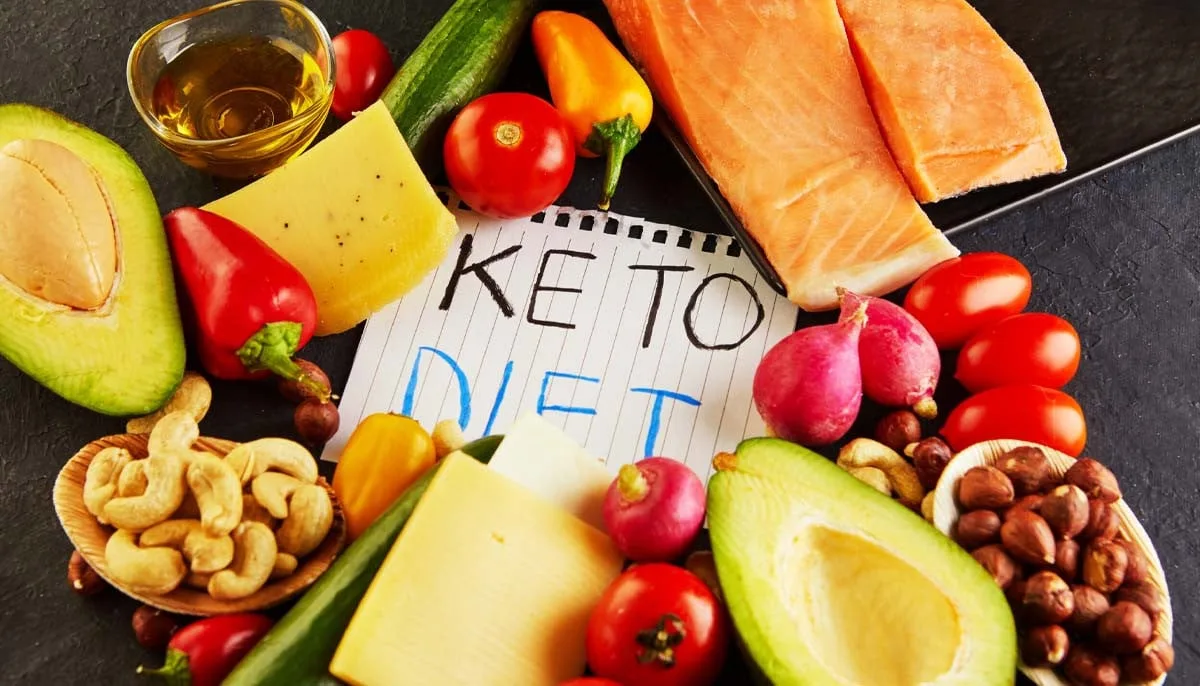
A study published by researchers at Wake Forest University School of Medicine has provided exciting insights into how a diet might protect against Alzheimer’s disease. The research, conducted in collaboration with the journal Alzheimer’s & Dementia, reveals promising results suggesting dietary changes could significantly impact brain health and potentially slow or halt memory loss.
Alzheimer’s is a progressive condition that severely affects memory and cognitive functions, complicating daily life for many sufferers. According to the Alzheimer’s Association, over six million Americans are currently living with Alzheimer’s disease. Given its devastating impacts on older adults, there’s an urgent need for effective preventive measures.
One particular dietary approach drawing considerable attention involves the ketogenic or “keto” diet, characterized by a high-fat content, moderate protein intake, and very low carbohydrate levels. When carbohydrate intake is restricted, the body utilizes ketones—molecules derived from fat—as its primary energy source.
In this study, researchers at Wake Forest University combined elements of the keto diet with those of the Mediterranean diet. This hybrid approach emphasizes fruits, vegetables, fish, and olive oil, staples in regions like Greece and Italy known for their vibrant culinary traditions.
The research team recruited 20 adults for the study. Half had mild memory impairments without an Alzheimer’s diagnosis, while the other half exhibited no cognitive issues. Participants were randomly assigned to one of two groups: a Mediterranean-style ketogenic diet or a low-fat, high-carbohydrate diet. Each group followed their respective diets for six weeks.
To gauge how these dietary changes might affect brain health, researchers examined alterations in gut bacteria by analyzing stool samples from participants. The findings indicated that the Mediterranean ketogenic diet significantly altered gut bacteria in individuals with memory impairment.
Notably, following this diet led to reduced levels of gut bacteria associated with gamma-aminobutyric acid (GABA), a neurotransmitter critical for brain signaling. In contrast, Alzheimer’s disease is linked to abnormal GABA activity. The study also revealed that participants who consumed curcumin—a component found in turmeric—displayed fewer bacteria involved in bile acid metabolism.
These discoveries suggest that the Mediterranean-style ketogenic diet combined with compounds like curcumin may help modulate gut bacteria, which could have beneficial effects on brain health. However, researchers emphasize the importance of further studies to validate these preliminary findings.
The implications of this research are significant, suggesting a potential new avenue for Alzheimer’s prevention and treatment through dietary changes. This study brings hope for those affected by the disease and opens up avenues for future research in the field.
Former Prince Andrew remains a significant figure within the Royal family despite senior royals like…
Hyderabad police shot dead four suspects on Saturday during an encounter. The incident is the…
Brian Hooker shared maps with friends and CBS News in days following Lynette's disappearance from…
James McAvoy, renowned for starring in several franchises, discusses Hollywood's aging anxieties with host Romesh…
Scarlett Johansson Reflects on Hollywood's Dark Past In an interview with CBS Sunday Morning, Scarlett…
Lack of school transport in Punjab raises serious concerns among citizens and parents. Despite Lahore…
This website uses cookies.
