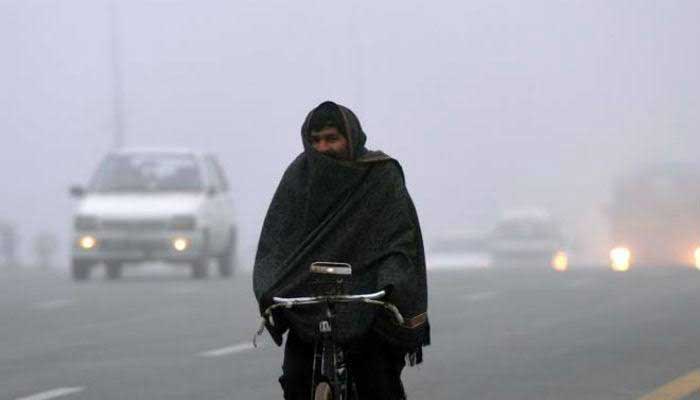
Pakistan’s underprivileged are perennially left out in the cold. As temperatures plummet to single digits, the government’s reluctance to recognize the cold as a climate emergency is taking lives.
In Chitral, nine members of a family perished when an avalanche engulfed their home. Intense snowfall and landslides have disrupted daily routines across regions including Khyber Pakhtunkhwa (KP), Balochistan, Gilgit-Baltistan, and Azad Kashmir. Households struggle with unexpected power and gas cuts; commuters face blocked roads and highways. In Balochistan, where temperatures reached as low as minus 13°C, power outages, suspended water supply, and extremely low gas pressure turned homes into dark freezers.
This month alone, nearly fifty people in Karachi, a city usually spared severe winters, have reportedly died due to the cold — temperatures fell below 7°C. This weather system is expected to bring more rain and snowfall but only Punjab seems prepared for it.
Cold snaps take an unsparing toll on human health. Medical experts warn that increased heart attack, stroke, and kidney complications are common among those with pre-existing conditions such as heart disease, poor immunity, or diabetes when the body is forced to work overtime in cold weather. Chilblains, frostbite, and hypothermia, treatable conditions often leading to fatalities due to lack of knowledge.
A warm hearth in winter can help mitigate some suffering, but those who perish wrapped in rags or plastic remain uncounted on cold, hard footpaths.
Welfare-focused policies and mechanisms ensuring uninterrupted gas and electricity supply, along with road safety during extreme weather events, are crucial. The state’s inability to expand free shelter and meal programs like panahgahs must be addressed through the adoption of international models such as pavement shelters and drop-in facilities. Immediate relief can be provided by designating parts of public spaces as refuge areas.
This post was last modified on January 25, 2026 10:03 am
The Aga Khan University's (AKU) Centre for Innovation in Medical Education (CIME), Karachi, hosted SIMPACT…
Meezan Bank, Pakistan's premier Islamic bank, once again partnered with The Indus Hospital & Health…
Pakistan’s leading digital microfinance bank, Mobilink Bank, and Yango, part of the global technology company…
Pakistan’s freelancing market is rapidly emerging, and the export earnings of Pakistani freelancers are expected…
To celebrate the release of Atif Aslam’s highly anticipated new album, Subah Aye Na, Spotify…
KARACHI: Supernet Technologies Limited (STL) is looking to strengthen its working-capital capacity as a growing…
This website uses cookies.
