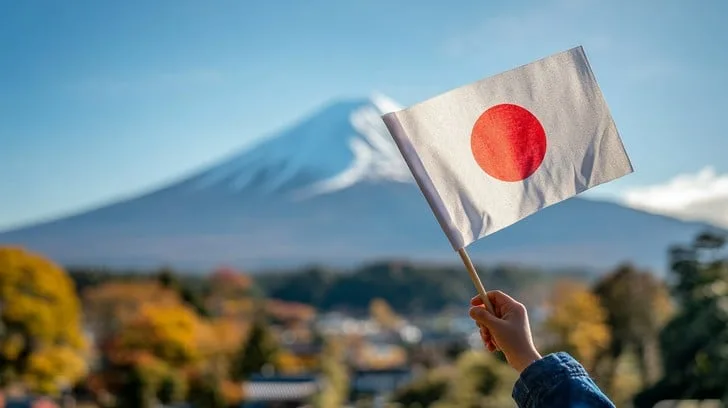
A social media post claiming that Japan has introduced new laws banning halal food, large mosques, public calls to prayer, and street praying has spread rapidly on X (formerly Twitter), amassing over 3.6 million views in less than 24 hours as of February 16, 2026. The post, shared by the account @BasilTheGreat on February 15, includes a video clip from Japan’s National Diet and asserts that the country has effectively declared Islam unwelcome.
These claims are false. No such nationwide laws have been enacted by the Japanese government under Prime Minister Sanae Takaichi or any recent administration.
The 35-second video attached to the post shows footage from a session of Japan’s House of Representatives, featuring lawmakers in formal proceedings, including shots of Prime Minister Sanae Takaichi in the chamber. The clip depicts standard parliamentary activity, such as a speaker at the podium and members bowing, with no audio or visual references to Islam, Muslims, or related legislation. Similar videos have been misused in past hoaxes to lend false credibility to anti-Islam claims.
Japan’s constitution guarantees freedom of religion, and the country’s Muslim population has grown significantly, estimated at 350,000 to 420,000 people (about 0.3% of the total population) by early 2026. This increase, driven by immigration, tourism, and conversions, has led to greater accommodations, including more mosques and halal services. However, challenges persist, such as limited burial grounds (due to Japan’s preference for cremation) and localized disputes over mosque construction or public religious expression.
Similar false claims about Japan “rejecting Islam” have circulated online for years, often traced back to fabricated graphics or misrepresented videos. A 2023 Reuters fact-check debunked nearly identical lists of purported restrictions. The latest iteration appears timed with Prime Minister Takaichi’s conservative policies on immigration, but no credible reports from Japanese media or government sources confirm any anti-Islam legislation.
While Japan maintains strict immigration controls and cultural norms that can create friction for minority communities, it has not implemented policies singling out Islam for exclusion. Misinformation like this risks exacerbating stereotypes and misunderstanding about a diverse, growing religious minority in Japan.
The Aga Khan University's (AKU) Centre for Innovation in Medical Education (CIME), Karachi, hosted SIMPACT…
Meezan Bank, Pakistan's premier Islamic bank, once again partnered with The Indus Hospital & Health…
Pakistan’s leading digital microfinance bank, Mobilink Bank, and Yango, part of the global technology company…
Pakistan’s freelancing market is rapidly emerging, and the export earnings of Pakistani freelancers are expected…
To celebrate the release of Atif Aslam’s highly anticipated new album, Subah Aye Na, Spotify…
KARACHI: Supernet Technologies Limited (STL) is looking to strengthen its working-capital capacity as a growing…
This website uses cookies.
