Petroleum prices in Pakistan surged last week. Petrol rose by 43%, diesel by 86% from pre-war levels. Both are now highest in region in dollar terms.
April-June inflation likely to reach 12-14%. Landed price of petrol was USD 140/barrel (Rs246/litre), HSD USD 262/barrel (Rs460/litre). Premiums were extraordinarily high at roughly USD 110/barrel.
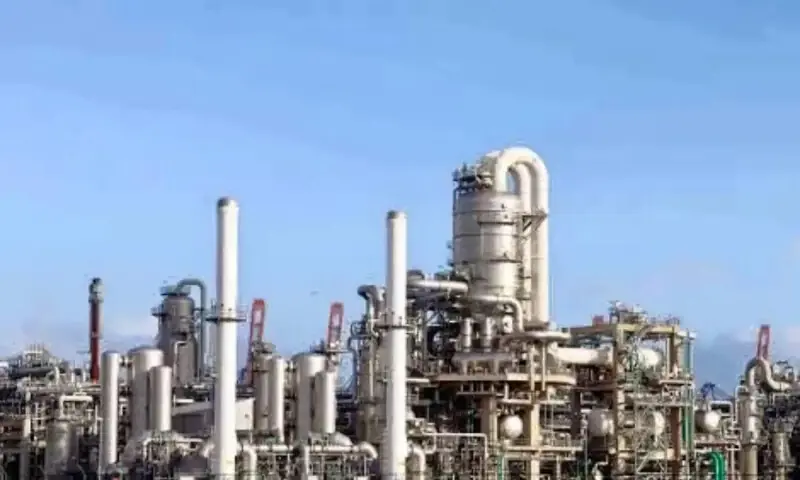
Pakistan imports about 85% crude and refines into petrol, diesel, furnace oil. Local refineries earn roughly USD 110/barrel on diesel, against normal margin of around USD 10/barrel.
This windfall is passed to consumers in higher prices. Refineries argue HSD profits offset losses elsewhere: approximately $20/barrel on petrol and USD 50/barrel on furnace oil. Plus, there are losses on LPG too.
Fair enough, but proportions wildly skewed. From a single barrel, refineries typically yield two units of diesel and one each of petrol and furnace oil. Net windfall is roughly USD 35/barrel (Rs62/litre).
Government should compensate refineries for losses on petrol and furnace oil, but not allow them to pass through diesel windfalls uncapped.
Authorities fear altering pricing formula may disrupt fuel supply. This risk manageable: guarantee refineries normal margins regardless of volatility and cover downside.
Supply chain stays intact; inflationary shock absorbed where it should be. Keeping other product prices and levies constant, regulating refinery margins on locally produced HSD, blended diesel price could fall from Rs460/litre to around Rs380/litre.
Government can also lower prices by another Rs35/litre through customs duty. These measures would be fiscally neutral and prevent inflationary tsunami across transport, food, and fertiliser costs.
Windfall tax is wrong instrument. It will not undo inflation already baked in, and 60% of any revenue must be shared with provinces.
Parallel with gas policy instructive. Pakistan prices domestically produced gas at USD 3-4/MMBtu, fraction of imported RLNG, used for fertiliser production. This keeps food security intact during shortages or prohibitive prices elsewhere.
Same logic applies to diesel. Pay market price on crude you import and recover it from consumers, but do not let refineries capture windfall margins unrelated to costs.
Free-market pricing is peacetime luxury. Conflict subsided, government can return to current formula and pursue deregulation. Right now, priority must be energy and food security, not refinery balance sheets.
The Aga Khan University's (AKU) Centre for Innovation in Medical Education (CIME), Karachi, hosted SIMPACT…
Meezan Bank, Pakistan's premier Islamic bank, once again partnered with The Indus Hospital & Health…
Pakistan’s leading digital microfinance bank, Mobilink Bank, and Yango, part of the global technology company…
Pakistan’s freelancing market is rapidly emerging, and the export earnings of Pakistani freelancers are expected…
To celebrate the release of Atif Aslam’s highly anticipated new album, Subah Aye Na, Spotify…
KARACHI: Supernet Technologies Limited (STL) is looking to strengthen its working-capital capacity as a growing…
This website uses cookies.
