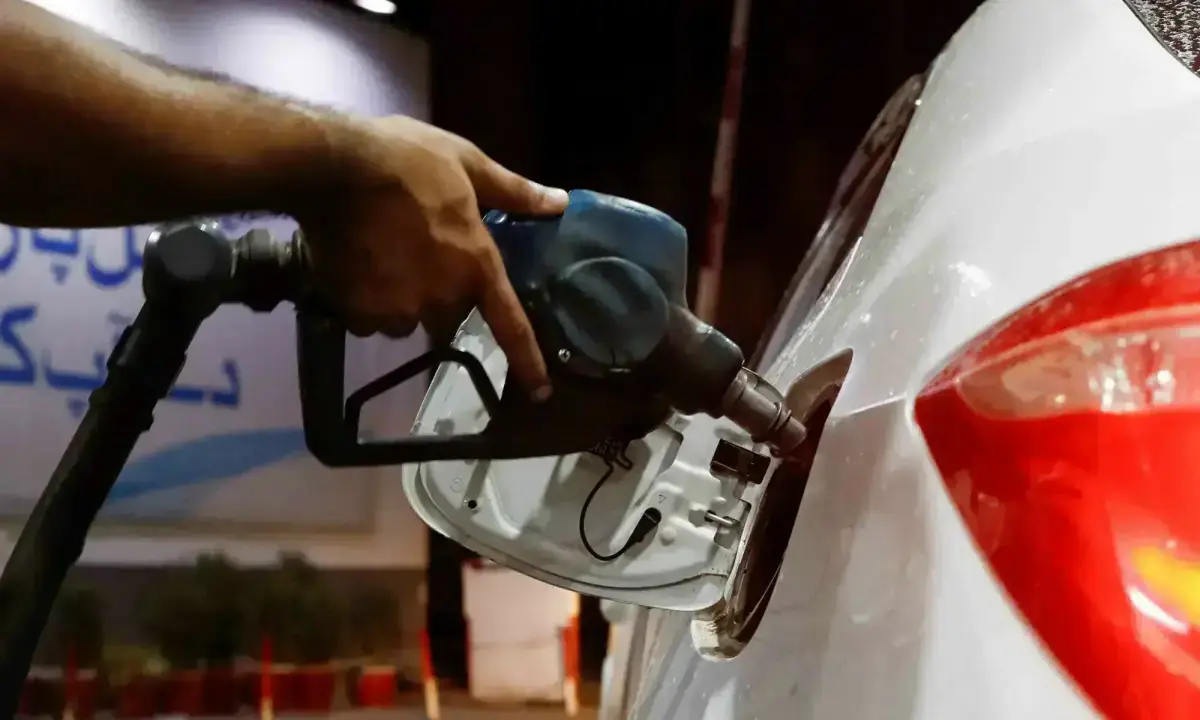
The Khyber Pakhtunkhwa (KP) government announced fuel-saving measures last week in an attempt to mitigate the global fuel crisis triggered by the ongoing conflict between the US and Israel against Iran. Chief Minister Sohail Afridi gave approval for a two-month initiative that includes cutting official vehicle allowances by 25 percent, which represents a total reduction of 50 percent from previous measures implemented during the pandemic.
Special Assistant to the Chief Minister on Information and Public Relations Shafi Jan stated that these fuel conservation measures were recommended under instructions from KP Chief Minister Sohail Afridi. The cabinet agreed to implement a 25 percent reduction in vehicle fuel subsidies for government vehicles, with exemptions made for law enforcement, rescue personnel, and educational institutions.
Jan also introduced a “50 percent work-from-home” policy for government departments and pledged that all meetings would be conducted virtually. He proposed keeping educational institutions closed on Fridays each week to prioritize virtual learning. Additionally, the cabinet decided to limit the use of VIP protocol vehicles and helicopters, furthering efforts towards frugality.
Jan added that the government aimed to prevent unnecessary expenses by banning official events and dinners. It was also agreed upon that monitoring would continue at fuel stations to combat hoarding. He emphasized maintaining access to diesel for farmers during wheat harvesting season, as part of the goal to protect the economy without burdening citizens.
This announcement follows last week’s decision by Chief Minister Sohail Afridi to provide subsidies for registered motorcycle riders across KP due to increased petroleum prices. The government also recently enforced fuel conservation measures through a notification issued by the finance department. This directive urged all offices to use petroleum products judiciously, with restrictions on consumption limited to essential official duties and emergency response activities.
The new policies underscored the KP government’s commitment to economic resilience amidst global challenges. Shafi Jan highlighted that these measures would protect the economy “without burdening the people,” reflecting a proactive stance in responding to international conflicts and fuel crises.
The Aga Khan University's (AKU) Centre for Innovation in Medical Education (CIME), Karachi, hosted SIMPACT…
Meezan Bank, Pakistan's premier Islamic bank, once again partnered with The Indus Hospital & Health…
Pakistan’s leading digital microfinance bank, Mobilink Bank, and Yango, part of the global technology company…
Pakistan’s freelancing market is rapidly emerging, and the export earnings of Pakistani freelancers are expected…
To celebrate the release of Atif Aslam’s highly anticipated new album, Subah Aye Na, Spotify…
KARACHI: Supernet Technologies Limited (STL) is looking to strengthen its working-capital capacity as a growing…
This website uses cookies.
