A new technical study released by the LUMS Energy Institute (LEI) concludes that Pakistan can transition to a clean and largely fossil-free electricity system by 2040 while maintaining affordability, reliability, and long-term energy security.
The analysis shows that the share of fossil fuel generation, which currently accounts for nearly half of electricity generation, could effectively be reduced to below one percent by 2040 through renewable energy expansion, energy storage deployment, and grid modernisation. The transition pathway is projected to avoid approximately 78 million tons of carbon emissions, positioning the power sector as a central driver of Pakistan’s climate objectives.
One of the study’s most significant findings highlights how rapid growth in distributed solar generation is reshaping electricity demand profile. Daytime reliance on grid electricity is expected to fall sharply, with minimum system demand projected to decline to nearly 3,000 MW during certain periods despite rising overall consumption. This structural shift will require enhanced grid flexibility, optimal storage capacity, and demand-side management to maintain operational stability of the grid.
A 15-year roadmap outlined in the study provides a structured generation and transmission capacity expansion plan comprising approximately 8,500 MW of solar, 14,000 MW of wind, and 7,000 MW/ 42,000 MWh of battery energy storage, supported by grid reinforcement investments with a total estimated cost of USD 5.5 billion (present value: USD 1.9 billion). The modelling confirms that this transition pathway is technically viable and aligned with maintaining system reliability under high renewable penetration scenarios.
Importantly, the study shows that integrating indigenous renewable energy resources could substantially reduce dependence on imported fossil fuels, thereby enhancing long-term price stability and limiting exposure to global energy market volatility. The report further highlights emerging investment opportunities in renewable generation, battery storage systems, and grid modernisation. As the power system evolves toward higher flexibility requirements, structured market mechanisms for grid stability services may become increasingly important, creating additional avenues for capital deployment beyond traditional energy generation assets.
Speaking at the launch, Ms. Shaista Pervaiz Malik, Member of the National Assembly and Convenor of the Parliamentary Task Force on Sustainable Development Goals (SDGs), appreciated the technical study undertaken by the LUMS Energy Institute and highlighted the importance of evidence-based policymaking in advancing Pakistan’s sustainable development agenda. She stated, “Pakistan’s transition toward clean and sustainable energy is closely linked with our national commitments under the Sustainable Development Goals. Analytical studies such as this help policymakers align grid modernisation, renewable expansion, and long-term planning with our energy security and decarbonization goals.”
Dr. Musadik Malik said, “Pakistan possesses abundant natural endowments, from hydropower and solar potential to vast wind corridors, yet the real pathway to a sustainable future lies in channeling these resources through sound policy and human ingenuity. Reports such as the one presented by the LUMS Energy Institute provides precisely the kind of evidence-based roadmap needed to guide Pakistan’s transition toward a stable, affordable, and ultimately net-zero transmission system.”
Dr. Fiaz Ahmad Chaudhry, Senior Advisor at the LUMS Energy Institute and Chairman BOD, National Grid Company, underscored the importance of integrated planning in shaping Pakistan’s energy future. “This report is not merely an academic exercise; it provides a practical blueprint for a sustainable and affordable energy future. It demonstrates through rigorous system analysis that decarbonisation, energy security, and economic efficiency can advance together through integrated planning and institutional coordination.”
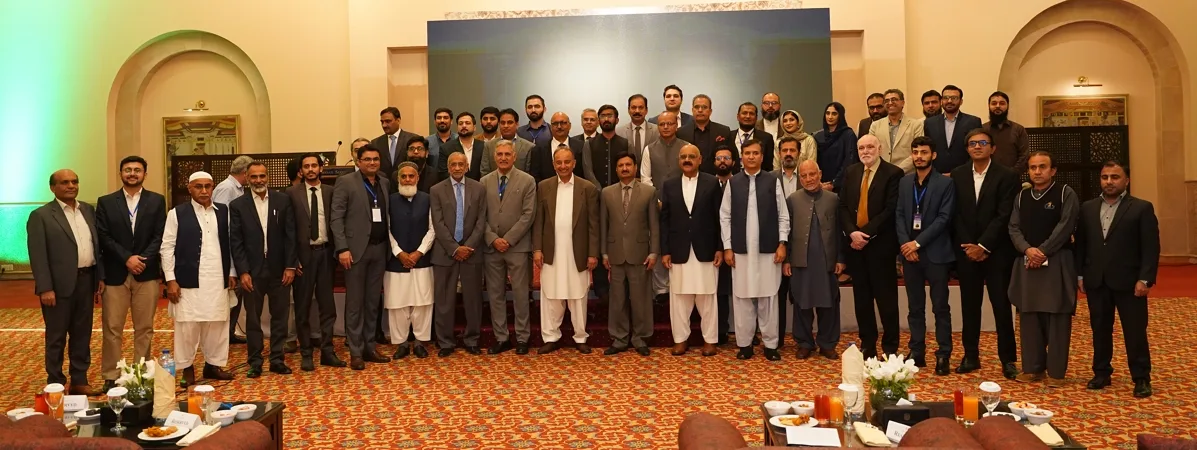
The launch was attended by senior policymakers, representatives of regulatory institutions, and industry stakeholders, reflecting the growing national focus on research-driven planning to support Pakistan’s evolving energy transition.
: 2040
12 2026:
2040
78
3,000
15 8,500
14,000 7,000 / 42,000
5.5
1.9
” (SDGs) ”
The Aga Khan University's (AKU) Centre for Innovation in Medical Education (CIME), Karachi, hosted SIMPACT…
Meezan Bank, Pakistan's premier Islamic bank, once again partnered with The Indus Hospital & Health…
Pakistan’s leading digital microfinance bank, Mobilink Bank, and Yango, part of the global technology company…
Pakistan’s freelancing market is rapidly emerging, and the export earnings of Pakistani freelancers are expected…
To celebrate the release of Atif Aslam’s highly anticipated new album, Subah Aye Na, Spotify…
KARACHI: Supernet Technologies Limited (STL) is looking to strengthen its working-capital capacity as a growing…
This website uses cookies.
