Middle East Faces Uncertainty After US-Iran Talks Collapse
Negotiations between the United States and Iran ended in failure, sparking fears of renewed conflict in an already tense region. The talks, held in Islamabad for over 20 hours, concluded without a deal as both delegations departed Pakistan.
The collapse of talks did not surprise many observers in the Middle East. A recent poll indicated that only 10% of Israelis believed the war against Iran had been successful, while 32% saw it as a failure. In Iran, hopes for peace quickly faded after the talks’ breakdown.
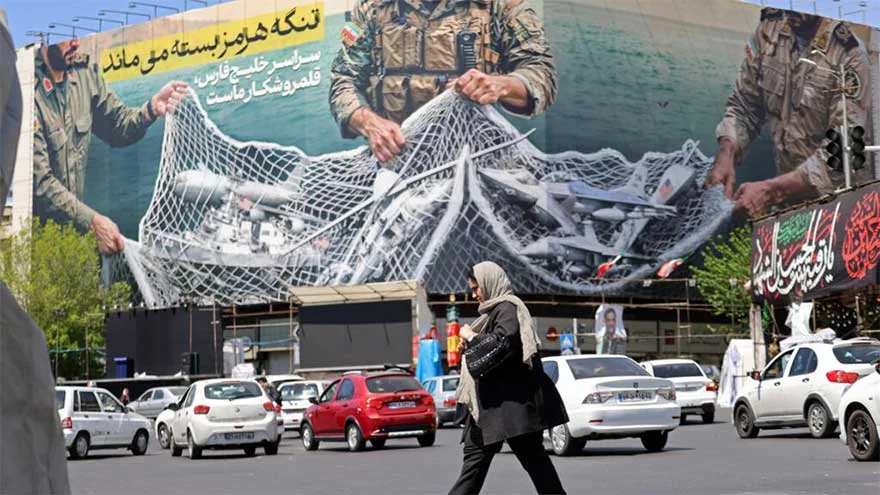
In response to the failed negotiations, US President Donald Trump ordered a naval blockade of the Strait of Hormuz, vowing to intercept any ships paying tolls to Tehran and prevent future oil revenue from Iran.
The news came amid growing concerns about potential renewed hostilities. In Saudi Arabia, key energy facilities were restored following Iranian attacks on Gulf targets, but many remain worried about the return of conflict.
In Lebanon, where a ceasefire had not yet been established, fears are high that tensions could escalate further, affecting global stability if peace efforts fail.
The Aga Khan University's (AKU) Centre for Innovation in Medical Education (CIME), Karachi, hosted SIMPACT…
Meezan Bank, Pakistan's premier Islamic bank, once again partnered with The Indus Hospital & Health…
Pakistan’s leading digital microfinance bank, Mobilink Bank, and Yango, part of the global technology company…
Pakistan’s freelancing market is rapidly emerging, and the export earnings of Pakistani freelancers are expected…
To celebrate the release of Atif Aslam’s highly anticipated new album, Subah Aye Na, Spotify…
KARACHI: Supernet Technologies Limited (STL) is looking to strengthen its working-capital capacity as a growing…
This website uses cookies.
