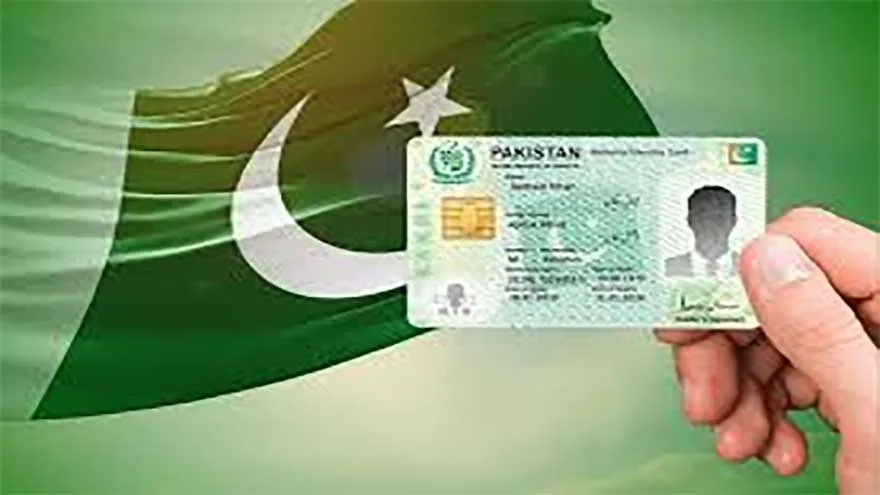
In a landmark initiative to establish a unified and digitally secure national identity system, the Pakistani government has updated its National Identity Card (NIC) and Pakistan Origin Card (POC). These revisions, effective from February 24th, 2026, introduce QR-based verification and advanced biometric features, enhancing security protocols. The changes are bolstered by a legal mandate for Quick Response (QR) codes as a secure authentication tool.
The government’s modernization of Pakistan’s ID system is designed to empower citizens with more straightforward access to digital services while mitigating fraud risks. By integrating QR codes into all identity documents, including the new, unified NIC card, Pakistan aims to foster a seamless and interconnected ecosystem that caters to the rapidly digitizing citizenry.
One significant innovation is the introduction of lifetime-valid ID cards for seniors aged 60 and above, whether resident or living abroad. This measure eliminates the need for frequent renewals and underscores the government’s commitment to enhancing services for elderly citizens.
Another noteworthy aspect is the requirement that all identification cards for individuals from Azad Jammu & Kashmir (AJK) carry a specific inscription detailing their residency status. These standardized IDs are part of an extensive update in specimen formats, ensuring uniformity across major ID categories and embedding QR-based security features as core elements.
The government’s actions reflect its broader vision to fortify Pakistan’s national identity system against fraud while facilitating faster service delivery and reduced risk of impersonation. The updates also align with the National Data Exchange Layer, promoting interoperability within a secure digital infrastructure that is ready for future governance advancements.
These comprehensive revisions underscore the Pakistani government’s dedication to modernizing its identity framework and ensuring citizens enjoy enhanced trust in their digital credentials alongside tangible facilitations. By integrating QR-based verification into core ID documents, Pakistan not only bolsters its cybersecurity posture but also streamlines access to essential services, positioning itself as a leader in embracing digital transformation within governance.
The Aga Khan University's (AKU) Centre for Innovation in Medical Education (CIME), Karachi, hosted SIMPACT…
Meezan Bank, Pakistan's premier Islamic bank, once again partnered with The Indus Hospital & Health…
Pakistan’s leading digital microfinance bank, Mobilink Bank, and Yango, part of the global technology company…
Pakistan’s freelancing market is rapidly emerging, and the export earnings of Pakistani freelancers are expected…
To celebrate the release of Atif Aslam’s highly anticipated new album, Subah Aye Na, Spotify…
KARACHI: Supernet Technologies Limited (STL) is looking to strengthen its working-capital capacity as a growing…
This website uses cookies.
