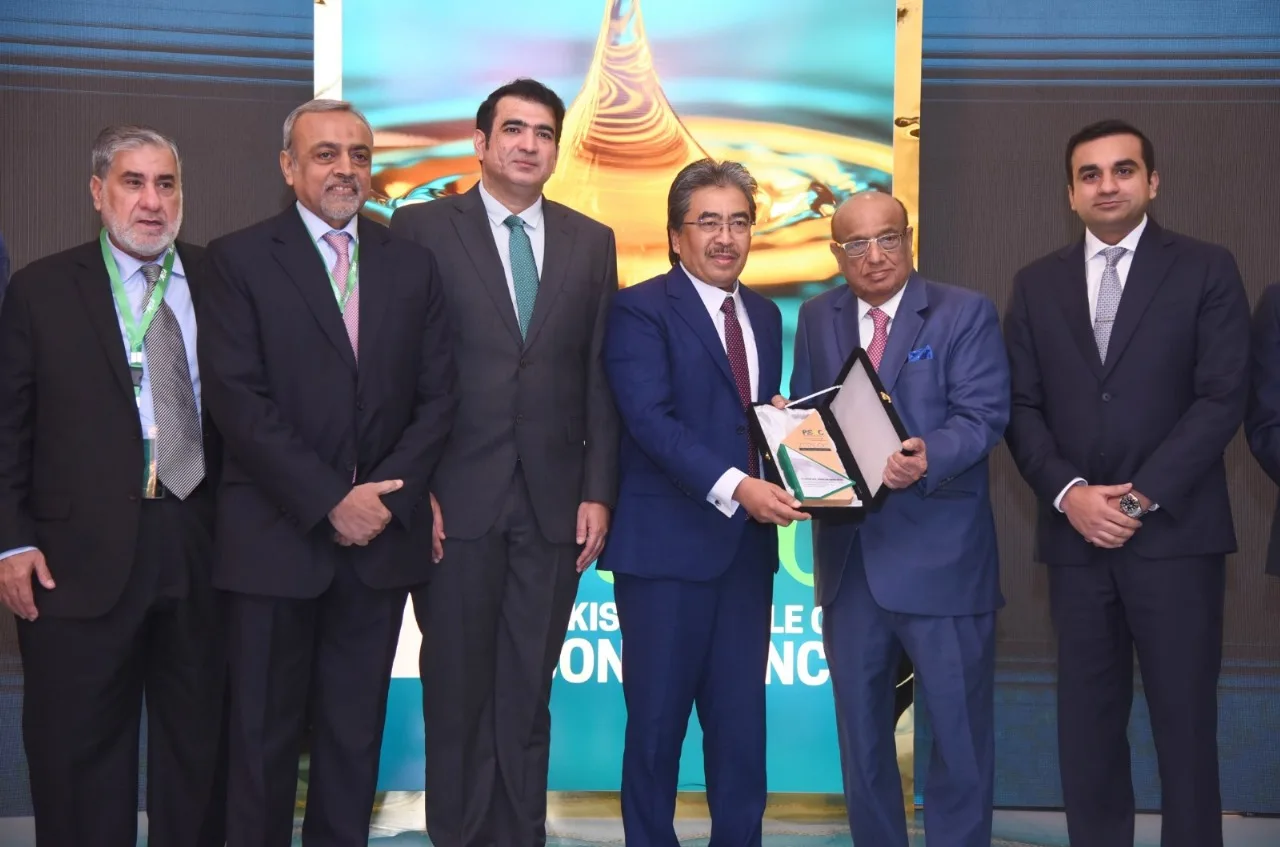
Rana Tanveer Hussain, the Federal Minister for National Food Security and Research, has urged for the implementation of advanced steps to tackle food insecurity and ensure sustainable edible oil production in Pakistan.
Speaking at the 7th Pakistan Edible Oil Conference in Karachi on Saturday, the Minister emphasized the importance of self-sufficiency in edible oil production, particularly through the cultivation of soybean oil within the country.
Minister Hussain stressed the importance of producing soybean oil domestically, which he termed as indispensable for the country’s food security. He also highlighted that Pakistan’s soil is suitable for olive oil irrigation, providing another potential avenue for boosting local production. The government, according to the Minister, is committed to providing necessary facilities for foreign investors, aiming to bolster the edible oil and food sectors.
Datuk Seri Johari Abdul Ghani, Malaysia’s Minister of Plantation and Commodities, also addressed the conference, underscoring the significance of Malaysian palm oil in Pakistan’s food and manufacturing industries.
According to Ghani, Malaysia’s palm oil has great potential to enhance Pakistan’s edible oil sector, building on the strong bilateral ties between the two countries. Ghani highlighted that Pakistan’s food sector is valued at US$115 billion and is expected to grow at a rate of 7.5 percent annually over the next five years.
This growth provides substantial opportunities for Malaysian palm oil to become a vital ingredient in the country’s food industry. He noted that Pakistan consumes over five million tonnes of oils and fats annually, with palm oil being a key component in food manufacturing, as well as personal care and oleochemical industries.
Ghani emphasized Malaysia’s strength in R&D, positioning the country as an ideal partner for Pakistan in developing tailored solutions for advanced food applications. This includes creating customized formulations to meet the growing demand in Pakistan’s food service industry.
Johari also noted that Pakistan imported 798,000 tonnes of Malaysian palm oil, highlighting the expanding trade and the potential for further growth in the use of palm-based oleochemicals in personal care and household industries in Pakistan.
The collaboration between Malaysia and Pakistan presents an opportunity for Pakistan’s edible oil and food sectors to benefit from advanced applications and cutting-edge research, strengthening both nations’ economic ties.
The Aga Khan University's (AKU) Centre for Innovation in Medical Education (CIME), Karachi, hosted SIMPACT…
Meezan Bank, Pakistan's premier Islamic bank, once again partnered with The Indus Hospital & Health…
Pakistan’s leading digital microfinance bank, Mobilink Bank, and Yango, part of the global technology company…
Pakistan’s freelancing market is rapidly emerging, and the export earnings of Pakistani freelancers are expected…
To celebrate the release of Atif Aslam’s highly anticipated new album, Subah Aye Na, Spotify…
KARACHI: Supernet Technologies Limited (STL) is looking to strengthen its working-capital capacity as a growing…
This website uses cookies.
