US Steps Up Defense Alternatives as Bangladesh Nears Election
Bangladesh is set to elect a new government after its long-standing premier Sheikh Hasina fled India-controlled territory following an uprising. The United States has signaled it will offer alternative defense systems to offset China’s growing influence in the region, particularly near the country’s border with India.
The move comes amid heightened concerns about Chinese investment in Bangladeshi infrastructure and military capabilities. Just weeks ago, China inked a deal to build a drone factory near Bangladesh’s border with India. This has alarmed Western diplomats who fear escalating ties could embolden Beijing further into regional affairs.
US Ambassador Brent T. Christensen emphasized the administration’s commitment to working closely with the Bangladeshi government, aiming to clearly delineate the risks of aligning too deeply with China. “We offer a range of options for Bangladesh, including U.S. systems and those from allied partners,” he stated. While he declined to provide further details on specifics, his comments highlight Washington’s intention to diversify defense partnerships.
The current diplomatic climate is strained between India and Dhaka due to Hasina’s absence in the country. Relations have deteriorated since her departure, impacting visa services and cricket ties that once solidified neighborly bonds.
Christensen highlighted commercial diplomacy as a top priority for U.S. businesses aiming to invest in Bangladesh. However, challenges such as high taxes and difficulties in repatriating profits present hurdles. Few major U.S. companies have established significant presence there; only energy giant Chevron has been active since the 1980s.
Regarding aid for Rohingya refugees, the United States continues to be the largest contributor to humanitarian efforts with a commitment of over $2 billion towards health programming and other support measures. The ambassador also called on international donors to increase their contributions to ensure the sustainability of these vital relief operations.
The U.N. refugee agency has been grappling with insufficient funding for years, leading to reduced rations and school closures for Rohingya communities. Washington believes broader collaboration among global partners is necessary to alleviate this shortfall.
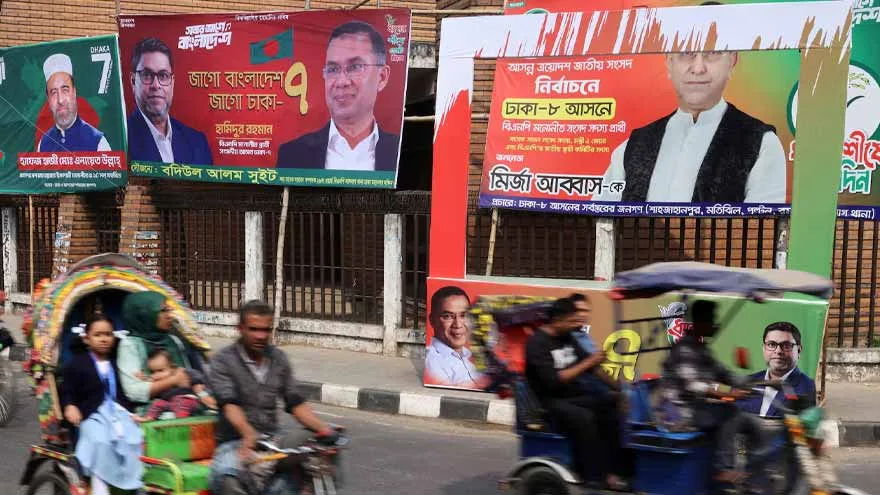
As Bangladesh prepares for a pivotal election, foreign diplomats are closely watching both domestic politics and regional dynamics, recognizing that the next government’s stance on defense alternatives and aid to refugees could have far-reaching implications for stability in South Asia.
The Aga Khan University's (AKU) Centre for Innovation in Medical Education (CIME), Karachi, hosted SIMPACT…
Meezan Bank, Pakistan's premier Islamic bank, once again partnered with The Indus Hospital & Health…
Pakistan’s leading digital microfinance bank, Mobilink Bank, and Yango, part of the global technology company…
Pakistan’s freelancing market is rapidly emerging, and the export earnings of Pakistani freelancers are expected…
To celebrate the release of Atif Aslam’s highly anticipated new album, Subah Aye Na, Spotify…
KARACHI: Supernet Technologies Limited (STL) is looking to strengthen its working-capital capacity as a growing…
This website uses cookies.
