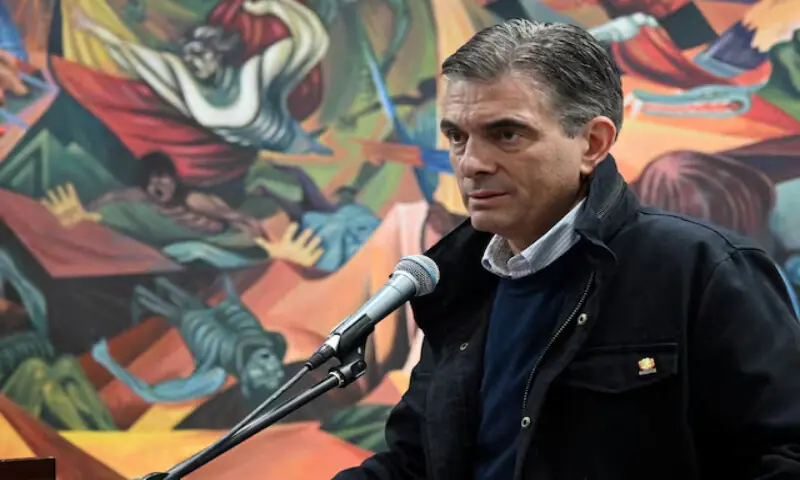
Bolivia’s crisis escalated on Saturday when President Rodrigo Paz declared a state of emergency. This move allowed for wider military deployment to clear blockades and restore order after protests halted the economy for 50 days.
The declaration followed Paz’s live message to the nation, just hours after he unveiled a deal with the Bolivian Workers’ Confederation (COB) aimed at easing tensions. The conflict began when Paz abruptly ended long-standing fuel subsidies to reduce the deficit amid worsening dollar crunch and IMF talks.
Despite efforts to stabilize fuel prices and reverse unpopular land reforms, protests intensified into broader discontent. Unions demanded wage increases, an end to fuel and dollar shortages, and Paz’s resignation.
Protesting groups, many linked to former leftist President Evo Morales, blocked key roads, causing trucks to be stranded and supplies of food, fuel, and medicines to be disrupted in areas including La Paz. The emergency declaration granted Paz broader constitutional powers to restore order, such as deploying armed forces to clear blockades.
Meezan Bank, Pakistan's premier Islamic bank, once again partnered with The Indus Hospital & Health…
Pakistan’s leading digital microfinance bank, Mobilink Bank, and Yango, part of the global technology company…
Pakistan’s freelancing market is rapidly emerging, and the export earnings of Pakistani freelancers are expected…
To celebrate the release of Atif Aslam’s highly anticipated new album, Subah Aye Na, Spotify…
KARACHI: Supernet Technologies Limited (STL) is looking to strengthen its working-capital capacity as a growing…
Master Changan Motors Limited (MCML), Pakistan’s No.1 new entrant and leading Chinese automotive brand, is…
This website uses cookies.
