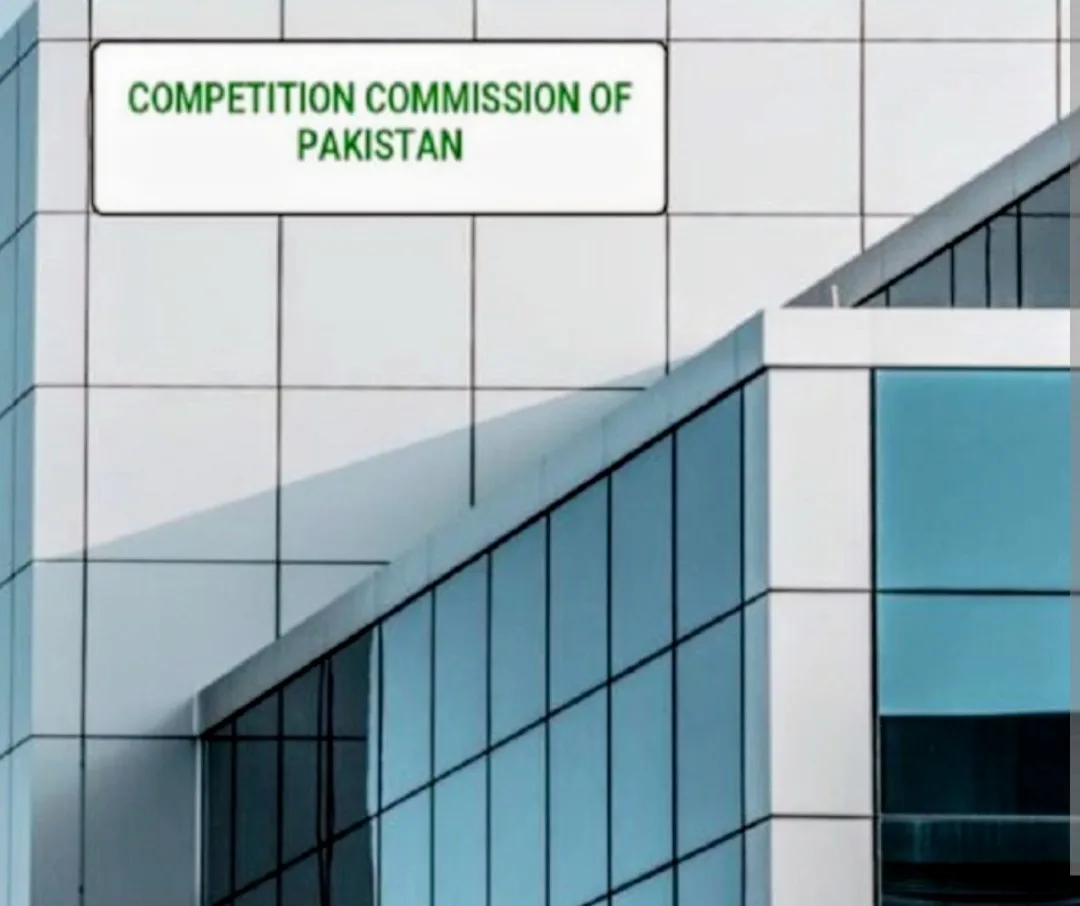
Pakistan’s Competition Appellate Tribunal has rejected appeals filed by major commercial banks and the Pakistan Banking Association (PBA), upholding a long-standing ruling that found the institutions guilty of collusive practices in setting savings account returns. The decision maintains fines totaling Rs 20 crore (Rs 200 million), bringing closure to a case that has remained under litigation since 2008.
The tribunal affirmed the Competition Commission of Pakistan’s (CCP) original finding that banks had formed a cartel to fix the markup on “enhanced savings accounts,” undermining competition and causing financial harm to depositors. By coordinating savings rates instead of allowing market forces to operate, the banks limited consumer choice and reduced potential returns for millions of account holders.
Under the ruling, the Pakistan Banking Association will continue to face a fine of Rs 3 crore (Rs 3 million), while seven major banks including Silk bank, Habib bank, Muslim Commercial Bank, Atlas Bank, Allied Bank, National Bank, NIB Bank, and United Bank will each pay Rs 2.5 crore (Rs 2.5 million).
The case dates back to 2008 when the CCP first imposed penalties after concluding that banks had collectively agreed on uniform savings rates. The banks and PBA challenged the decision, arguing that their actions did not constitute cartelization. Those arguments were ultimately rejected.
CCP Chairman Dr. Kabir Sidhu said the ruling reinforced the principle that violations of competition law would not go unpunished, regardless of delays in the judicial process. “Justice may be delayed, but it cannot be avoided under the law,” he said.
Dr. Sidhu also noted that the CCP has resolved more than 70 percent of its cases that had been pending before various courts, calling the tribunal’s decision a significant boost for competition enforcement in Pakistan’s financial sector.
The verdict is seen as a landmark reaffirmation of regulatory authority over powerful financial institutions and a reminder that coordinated price-setting, even in banking, carries lasting legal consequences.
The Aga Khan University's (AKU) Centre for Innovation in Medical Education (CIME), Karachi, hosted SIMPACT…
Meezan Bank, Pakistan's premier Islamic bank, once again partnered with The Indus Hospital & Health…
Pakistan’s leading digital microfinance bank, Mobilink Bank, and Yango, part of the global technology company…
Pakistan’s freelancing market is rapidly emerging, and the export earnings of Pakistani freelancers are expected…
To celebrate the release of Atif Aslam’s highly anticipated new album, Subah Aye Na, Spotify…
KARACHI: Supernet Technologies Limited (STL) is looking to strengthen its working-capital capacity as a growing…
This website uses cookies.
