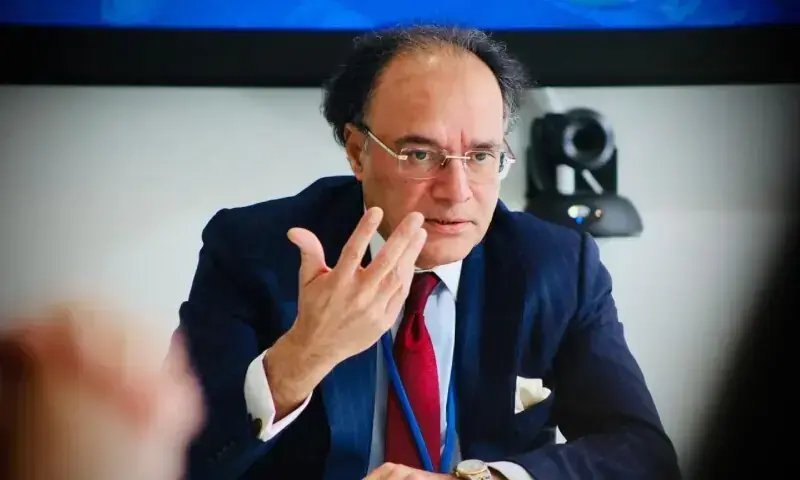
ISLAMABAD: Finance Minister Muhammad Aurangzeb has cautioned against the potential risks posed by escalating tensions in global oil markets, specifically referencing the ongoing conflict between US and Israeli forces in Palestine and Iran. In a briefing for the Senate Standing Committee on Finance, he emphasized that Pakistan is not facing an immediate crisis but warned of deteriorating conditions if the war drags on.
Aurangzeb explained to chairman Saleem Mandviwala that Pakistan had sufficient fuel reserves: 28 days worth of petrol and diesel stocks were available, alongside 10-day crude oil supplies. However, some shipments from Qatar have been delayed, prompting a rise in production from domestic gas fields to mitigate the shortfall.
The minister noted that the finance ministry is holding daily meetings with relevant departments to monitor fuel levels and prices on an international scale. In addition, Pakistan has formally requested Saudi Arabia for alternative supply routes through Yanbu to ensure continued oil imports amidst the closure of the Strait of Hormuz.
In a separate development, State Bank of Pakistan Governor Jamil Ahmad highlighted that global oil prices could potentially reach $100 per barrel, intensifying external sector pressures on the economy. He stressed that despite increased debt and inflationary concerns, Pakistan’s foreign exchange reserves have reached over $16 billion and are projected to climb further by June and December.
Ahmad also addressed Pakistan’s economic outlook, stating that its total external liabilities now stand at approximately $138 billion. While no additional borrowing has occurred in recent years, the central bank has purchased around $24 billion from the market within the last three years, contributing to stable currency exchange rates and bolstered international buffers.
Despite these measures, Aurangzeb acknowledged that regional tensions could affect Pakistan’s import bill and domestic inflation over the coming months. Noting that inflation is expected to remain between 5% and 7% for both the current and next fiscal year, he warned of rising energy prices potentially impacting future economic indicators.
The finance minister concluded by informing the committee about the country’s current account deficit, expecting it to hover around 1% of GDP in the current fiscal year despite a rise in petroleum prices.
Four bogies of Karachi-bound Tezgam Express derailed near Lodhran on Tuesday night, causing injuries to…
Alexandra Grant has addressed the secret wedding rumors swirling around her relationship with Keanu Reeves.…
OpenAI announced on Tuesday its decision to discontinue Sora, an AI video app. The move…
A 600-year-old grape seed found in a medieval French hospital toilet is genetically identical to…
Indian Court Convicts Kashmiri Leader Asiya Andrabi An Indian court sentenced separatist leader Asiya Andrabi,…
Washington hosts royal visits next month President Trump plans to host monarchs from the UK…
This website uses cookies.
