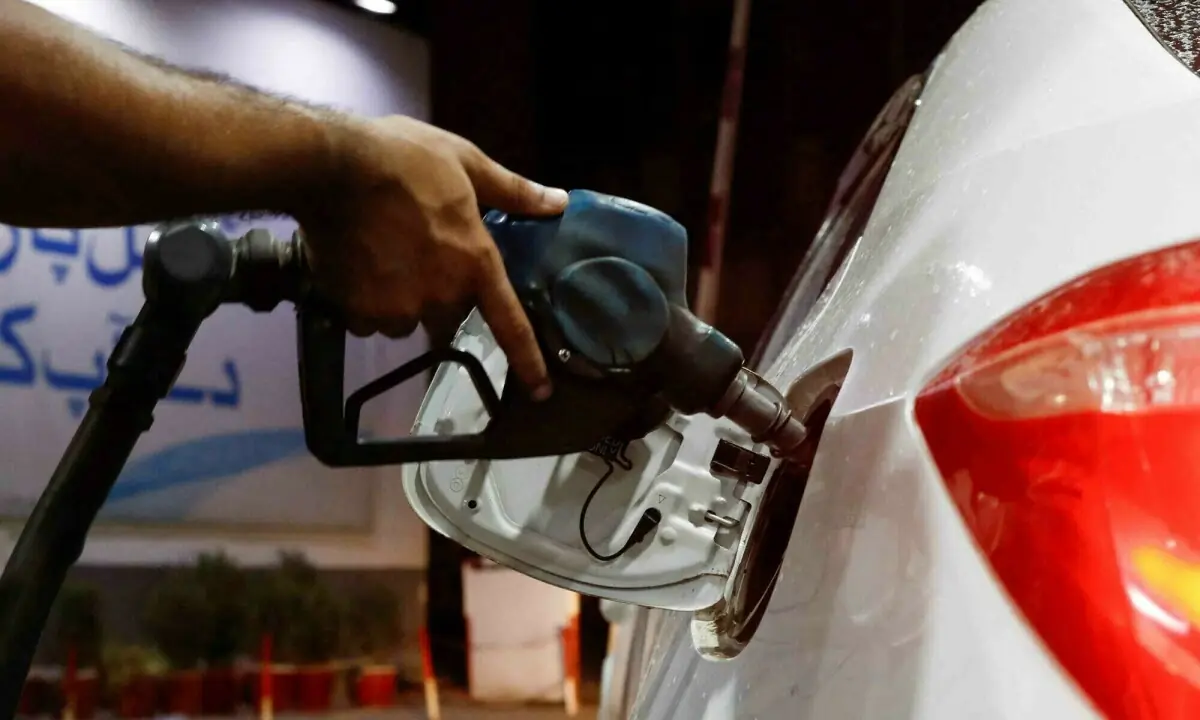
The government announced a significant increase in fuel prices effective from March 1. Petrol saw its price hike from Rs258.17 per litre to Rs266.17 per litre, while high-speed diesel (HSD) jumped from Rs280.86 to Rs285.02 per litre.
This move follows the recommendations of the Oil and Gas Regulatory Authority (OGRA). The increase in cost could be particularly impactful for middle and lower-middle class citizens who heavily rely on fuel, especially for private transport, small vehicles, rickshaws, and two-wheelers, which are integral to their daily budgets. In contrast, the heavy transport sector, including HSD’s usage, is seen as inflationary given its reliance in sectors such as trains, agriculture (like trucks, buses, tractors, tube-wells, threshers), and other essential operations like vegetable farming.
This adjustment underscores how fuel prices continue to influence various aspects of daily life. The hike in petrol costs could strain budgets further for these groups, while the rise in HSD will affect broader sectors including agricultural productivity and transport efficiency.
The Aga Khan University's (AKU) Centre for Innovation in Medical Education (CIME), Karachi, hosted SIMPACT…
Meezan Bank, Pakistan's premier Islamic bank, once again partnered with The Indus Hospital & Health…
Pakistan’s leading digital microfinance bank, Mobilink Bank, and Yango, part of the global technology company…
Pakistan’s freelancing market is rapidly emerging, and the export earnings of Pakistani freelancers are expected…
To celebrate the release of Atif Aslam’s highly anticipated new album, Subah Aye Na, Spotify…
KARACHI: Supernet Technologies Limited (STL) is looking to strengthen its working-capital capacity as a growing…
This website uses cookies.
