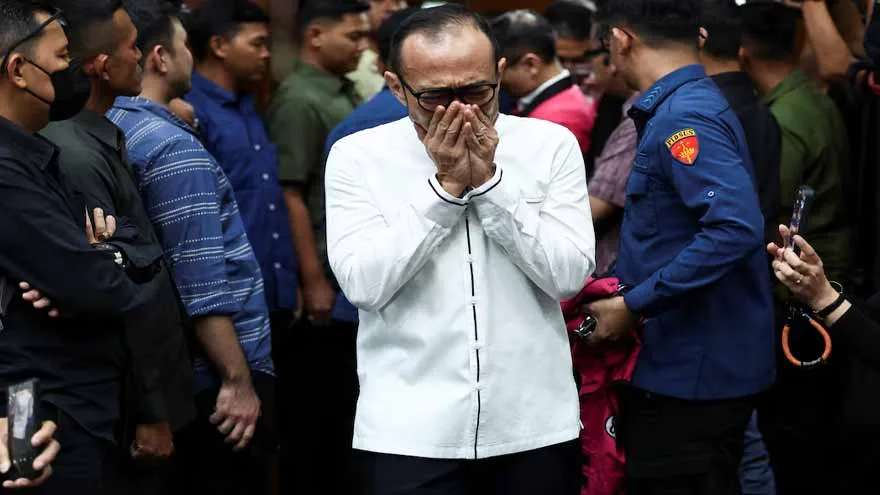
Indonesian authorities have dealt significant blows to corruption within Pertamina by jailing nine individuals including two former CEOs of its subsidiaries. The Central Jakarta Court handed down sentences ranging from nine years to fifteen years, with prosecutors demanding fourteen to eighteen-year terms for illegal lease agreements and crude oil imports.
Pertamina, the state-owned energy firm under President Prabowo Subianto’s administration, has vowed to eradicate corruption. Two former Pertamina International Shipping and Patra Niaga CEOs—Yoki Firnandi and Riva Siahaan—are now serving nine-year sentences. Muhamad Kerry Adrianto Riza, a key figure in the fuel terminal scandal, received a fifteen-year prison sentence, less than what prosecutors sought.
Riza’s son, Mohammad Riza Chalid, who is suspected to be involved in the case, has fled and remains at large. The three men were initially denied charges but pleaded not guilty during the trial. Firnandi expressed disappointment, describing his conviction as a “farce,” while Siahaan’s lawyer, Luhut Pangaribuan, lamented the verdict.
Pertamina responded to these rulings with respect for the court’s decision and reiterated its commitment to zero tolerance towards corruption. In a press statement, Pertamina spokesperson Muhammad Baron stated that the company is committed to improving business processes and operations, ready to assist defendants in legal proceedings until a final verdict is issued.
Meezan Bank, Pakistan's premier Islamic bank, once again partnered with The Indus Hospital & Health…
Pakistan’s leading digital microfinance bank, Mobilink Bank, and Yango, part of the global technology company…
Pakistan’s freelancing market is rapidly emerging, and the export earnings of Pakistani freelancers are expected…
To celebrate the release of Atif Aslam’s highly anticipated new album, Subah Aye Na, Spotify…
KARACHI: Supernet Technologies Limited (STL) is looking to strengthen its working-capital capacity as a growing…
Master Changan Motors Limited (MCML), Pakistan’s No.1 new entrant and leading Chinese automotive brand, is…
This website uses cookies.
