Pakistan’s inflation remains robust as March 5 marked another week of significant price hikes, according to data from the Pakistan Bureau of Statistics (PBS). Amidst a backdrop of rising energy and food costs, the Sensitive Price Indicator (SPI) for essential commodities across urban centers showed a YoY increase of 4.70%. This was slightly below the previous peak recorded in February but underscores persistent pressure on household budgets.
Notably, natural gas rates surged by an eye-watering 29.85% during the quarter, fueling concerns over rising living costs for consumers. Wheat flour saw a robust 26.13% YoY increase, while electricity charges and LPG both rose by about 17%. Other staples like chilli powder, beef, firewood, and powdered milk followed with marked increases of up to 15%.
Despite these rises, several items witnessed substantial declines in price compared to last year’s figures. Potatoes took a significant hit, declining by an alarming 53.76%, alongside onions (26.10%), eggs (24.93%), and garlic (22.25%). Chicken prices also declined notably at 21.70%. Notably, gur (8.51%) and broken Basmati rice (6.18%) saw YoY price decreases.
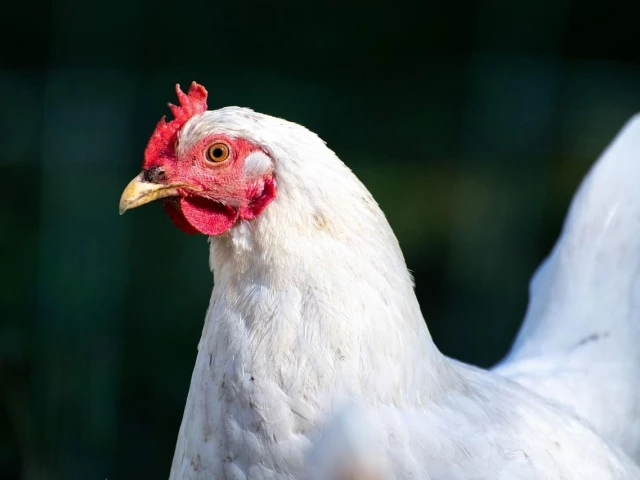
On a weekly basis, the SPI increased by 0.37%, driven primarily by rising chicken and LPG costs. Other notable increases were observed in garlic (1.23%), beef (0.66%), mutton (0.65%), pulse mash (0.51%), printed lawn cloth (0.43%), gur (0.30%) and mustard oil (0.24%). Conversely, prices of essential items like tomato (-10.04%), egg (-8.13%), onion (-6.08%), and potatoes (-5.09%) declined.
Among the 51 tracked commodities, 13 saw YoY increases, a few more fell, while about two-thirds remained static. By income levels, rural areas reported higher inflation at 7.3% in February 2026 compared to urban areas’ 6.8%, highlighting regional disparities and greater economic strain on lower-income households.
Monthly Consumer Price Index (CPI) data for February 2026 also demonstrated continued upward pressure: a YoY rise of 7% from the prior year’s 5.8%, and an MoM increase of 0.3%. Rural inflation hit by this, rose to 7.3% in February 2026 compared with urban areas’ 6.8%.
Overall, these figures underscore ongoing economic challenges faced by Pakistan, particularly affecting segments of the population most vulnerable to rising prices.
Pope Leo XIV visited Monaco on Saturday. This was the first visit of a pope…
Scientists have developed revolutionary eye drops using pig seminal fluid that can halt tumor growth…
China has unveiled its inaugural industry standard for embodied artificial intelligence (AI), marking a significant…
US Soccer Coach Pochettino Urges Team USA to Play with Freedom Mauricio Pochettino, coach of…
USS Gerald R. Ford Arrives in Split The USS Gerald R. Ford, the world's largest…
Jannik Sinner of Italy extended his winning streak over Alexander Zverev to seven matches, advancing…
This website uses cookies.
