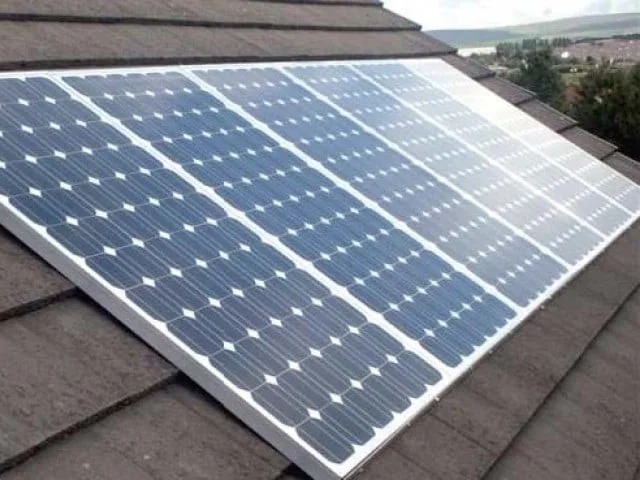
The National Electric Power Regulatory Authority (NEPRA) has recently released a draft of amendments to the Solar Policy 2026, with the aim of rolling back controversial changes that significantly impacted solar energy net metering. These recent modifications have stirred significant debate in the industry and have prompted swift action from high-ranking government officials.
Originally, NEPRA implemented substantial alterations to existing contracts for all new and future solar consumers, aiming to control rising solar penetration levels while safeguarding an expensive state-owned power network. Key changes included eliminating the exchange of electricity units through net metering and reducing the buyback rate from Rs25.9 per unit to a more affordable Rs11 per unit. Additionally, the contract period for existing users has been slashed from seven years down to five.
In response to these alterations, NEPRA has now proposed amendments that would mandate utilities to purchase excess electricity generated by prosumers, households, businesses, and industries under one megawatt of capacity at the national average energy purchase price. In turn, they will be paid back through a consumer tariff set at the applicable rate. This move effectively ends the traditional net metering system.
This new directive has garnered considerable criticism from various quarters, particularly from Prime Minister Shehbaz Sharif’s office, which directed Power Division to appeal to NEPRA for reconsideration of these regulations. The prime minister saw potential risks in reverting back to previous terms and sought protection for existing contracts with current solar users.
To facilitate this process, NEPRA has released a draft amendment that invites feedback from stakeholders and partners within 30 days. Notably, the new rules come into effect on February 9th, excluding those already enrolled under the original net metering policies until their respective agreements expire.
The official document emphasizes that while these revised regulations will apply moving forward, approvals, licenses, and existing solar contracts made prior to the amendments’ implementation would remain unaffected. Under this framework, users who have executed a valid agreement before the new measures take effect will be billed according to rates and mechanisms outlined in their pre-existing agreements until those terms conclude.
Following the prime minister’s directives, Power Minister Awais Leghari has confirmed that the government will uphold existing solar net metering conditions for 466,506 current owners. However, he also clarified that only this specific group of users – accounting for just 1% of all solar panel installations – would benefit from maintaining these terms until their contracts expire. Leghari’s statement highlighted a significant disconnect between prioritizing individual groups over broader systemic issues like electricity theft, low recovery rates, and inefficiencies.
The latest regulatory changes have also altered the financial landscape significantly. Prior to the new policies, non-solar users were charged Rs223 billion (Rs2.44 per unit) due to net-metering practices. This amount was projected to escalate to an additional Rs2.87 per unit in fiscal year 2026. By contrast, high-consumption households typically pay up to Rs12 per unit as a form of cross-subsidization for lower users, while the estimated loss due to theft and inefficiencies stands at between Rs4-5 per unit.
The minister further emphasized that these changes would affect only a fraction of solar panel installations but still demanded justification. With such limited impact yet broad-reaching implications, his explanation for singling out this particular group remained elusive, sparking ongoing scrutiny into the rationale behind the new policy adjustments.
The Aga Khan University's (AKU) Centre for Innovation in Medical Education (CIME), Karachi, hosted SIMPACT…
Meezan Bank, Pakistan's premier Islamic bank, once again partnered with The Indus Hospital & Health…
Pakistan’s leading digital microfinance bank, Mobilink Bank, and Yango, part of the global technology company…
Pakistan’s freelancing market is rapidly emerging, and the export earnings of Pakistani freelancers are expected…
To celebrate the release of Atif Aslam’s highly anticipated new album, Subah Aye Na, Spotify…
KARACHI: Supernet Technologies Limited (STL) is looking to strengthen its working-capital capacity as a growing…
This website uses cookies.
