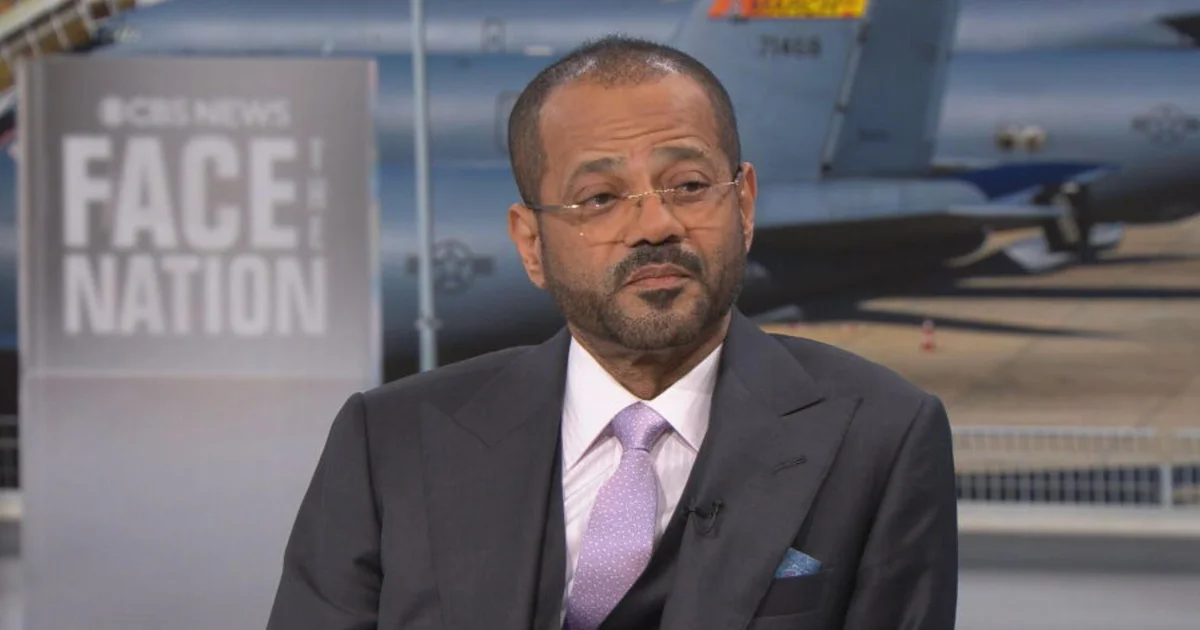
Negotiations between U.S. and Iranian officials have reached a significant juncture, with Omani Foreign Minister Badr Albusaidi suggesting “substantial progress” towards an agreement that would curb Iran’s nuclear program significantly. This came as President Trump mused over potential military strikes on the nation.
Albusaidi, who has mediated numerous rounds of U.S.-Iran talks in recent months, elaborated to CBS News: A “peace deal is within reach,” he declared, emphasizing a key accomplishment—reaching an agreement where Iran will never have nuclear material capable of creating a bomb. Currently held stockpiles of enriched uranium would be blended down to the lowest possible level and converted into fuel—a measure deemed irreversible.
Inspections by the U.N.’s International Atomic Energy Agency (IAEA) were also under consideration, with Albusaidi stating Iran was willing to grant full access to all nuclear sites for verification. He described a scenario where “there would be zero accumulation of material and full verification,” adding that even American inspectors could gain entry at some stage in the process if such an accord is reached.
Asked whether enough progress had been made to avoid strikes, Albusaidi cautiously responded: “I hope so.” Nevertheless, he insisted on more detailed discussions. Technical talks are scheduled for Monday in Vienna, with Albusaidi hoping to meet U.S. negotiators Steve Witkoff and Jared Kushner shortly afterward.
In a stark contrast, President Trump expressed dissatisfaction at the negotiating pace, stating he is not happy with Iran’s stance on giving up uranium enrichment capabilities. “We want to see them stop enriching completely,” he said during an event in Texas, suggesting oil could suffice as an alternative energy source. He reiterated his preference for diplomatic means over military intervention.
Despite these differing views, Albusaidi highlighted the importance of resolving the nuclear issue first. The Omani official noted Iran’s previous agreement under a 2015 deal that was later withdrawn by Trump during his presidency due to perceived shortcomings. Recent intelligence suggests Iran has continued enriching uranium up to 60% purity—a level not far from what’s needed for weaponization, though Tehran maintains its right to peaceful nuclear energy.
Albusaidi’s optimistic outlook comes amidst three recent rounds of indirect talks between U.S. and Iranian officials. These discussions have focused on the nuclear program while sidestepping issues such as ballistic missiles and proxy activities—areas that Israel’s Prime Minister Benjamin Netanyahu has emphasized must be addressed in a comprehensive agreement.
On Iran, Albusaidi conceded they are not currently enriching uranium but noted there is unexplained activity at their nuclear sites. The IAEA reported this week, corroborated by CBS News, indicated Iran was conducting undisclosed activities post-U.S. strikes from June 2023. Despite these challenges, Albusaidi expressed optimism about resolving the issue within a timeframe of three months if both parties commit to negotiating seriously.
For Trump, Albusaidi offered straightforward advice: “Just give those negotiators enough room and space,” he said, encouraging continued dialogue despite setbacks. Both sides show genuine intent towards reaching an agreement; any final terms would likely require extensive discussions and verification phases.
Judicial Commission's Gul Plaza Fire Investigation Report Revealed A recent judicial commission investigation into the…
Afrika Bambaataa, founder of Zulu Nation and pioneer of blending electronic sounds into hip-hop, has…
Prince Harry's claims of a traumatic childhood are disputed by Royal expert Charles Ray. In…
Noah Wyle's Star on Hollywood Walk of Fame Hollywood actor Noah Wyle has been awarded…
South Africa's Lions parted ways with all-rounder Beyers Swanepoel after his departure from a season-ending…
Cardi B and Offset announced their separation after years of cheating allegations by Cardi against…
This website uses cookies.
