Pakistan’s diplomatic efforts play key role in easing Middle East tensions
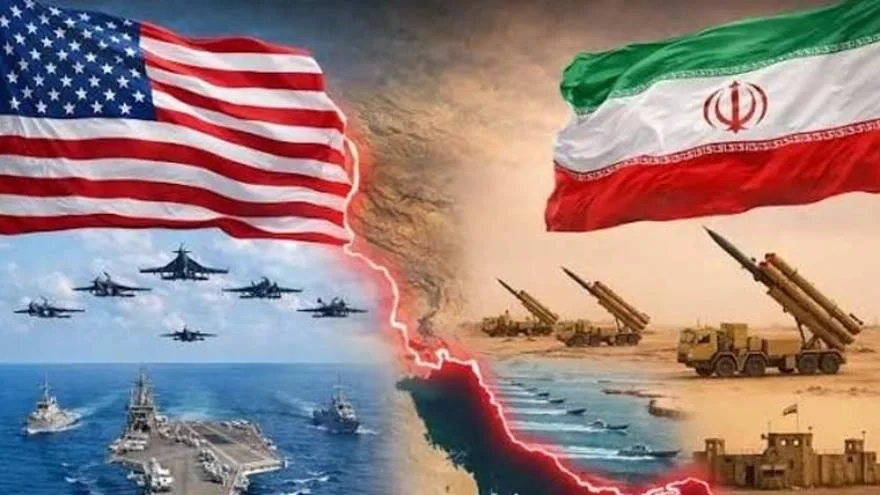
Washington has announced a temporary halt to potential military strikes on Iranian power infrastructure. This development comes as Pakistan’s behind-the-scenes diplomacy with Turkey and Egypt gains recognition, helping reduce the risk of broader regional conflict.
Diplomatic sources say Pakistan played a central role in backchannel communications over the past 48 hours, working closely with Ankara and Cairo to facilitate indirect exchanges between Washington and Tehran. The aim was to prevent further military escalation and create space for dialogue at a time when hostilities had entered a critical phase.
Pakistan’s leadership remained actively engaged throughout the process. Prime Minister Shehbaz Sharif maintained high-level diplomatic outreach, while Chief of Army Staff Asim Munir held strategic engagements with regional and international stakeholders. Officials familiar with the discussions said the focus extended beyond immediate de-escalation towards laying the groundwork for sustained regional stability.
Diplomatic observers noted that Pakistan adopted a balanced approach, maintaining communication channels with both the United States and Iran. This positioning allowed Islamabad to act as a credible intermediary at a time when direct engagement between the two sides remained limited.
In Washington, Trump said he had ordered a five-day postponement of any strikes targeting Iranian power plants, just hours before a self-imposed deadline that had raised fears of further escalation. Writing on his Truth Social platform, he described recent engagements with Iran as “very good and productive”, adding that discussions had centred on a “complete and total resolution of hostilities in the Middle East”.
The conflict has resulted in more than 2,000 reported deaths and triggered widespread instability across global markets. Trump’s remarks had an immediate impact, with Brent crude prices briefly falling by around 13 per cent to below $100 a barrel before stabilising near $101.66. Global equities also rebounded, reflecting cautious optimism over a potential diplomatic breakthrough.
Despite the pause, the situation on the ground remains volatile. Israeli forces launched a fresh wave of strikes on infrastructure in Tehran, while Iranian authorities reported casualties in multiple cities, including Khorramabad and Bushehr. Iran’s Revolutionary Guards warned of retaliation, including potential strikes on Israeli infrastructure and facilities linked to US bases in the Gulf.
The strategic Strait of Hormuz remains a focal point of concern. Iran has effectively restricted passage through the waterway, which accounts for roughly one-fifth of global oil and liquefied natural gas flows. Tehran has also threatened to mine Gulf routes if hostilities escalate further, raising fears of severe disruption to global energy supplies.
Energy experts warn that targeting power infrastructure could have catastrophic consequences for Gulf states, where electricity is critical for desalination systems that supply the majority of drinking water. Countries such as Bahrain and Qatar rely entirely on desalinated water, while the United Arab Emirates and Saudi Arabia depend heavily on similar systems.
Is Islamabad Police Conducting Search Operations Police spokesperson reveals details of 597 search operations carried…
US President Donald Trump has no justification to deprive Iran of its nuclear rights, Iranian…
Mahmood Khan Achakzai is unlikely to attend the upcoming Pakistan Tehreek-e-Insaf (PTI) rally in Mardan.…
Hundreds of cyclists gathered in London on Saturday for the annual Tweed Run. The event,…
Iran's Parliament Speaker Mohammad Bagher Ghalibaf stated Saturday night that discussions with the U.S. to…
Chinese-made humanoid robots outperformed human runners in a half-marathon race held in Beijing on Sunday.…
This website uses cookies.
