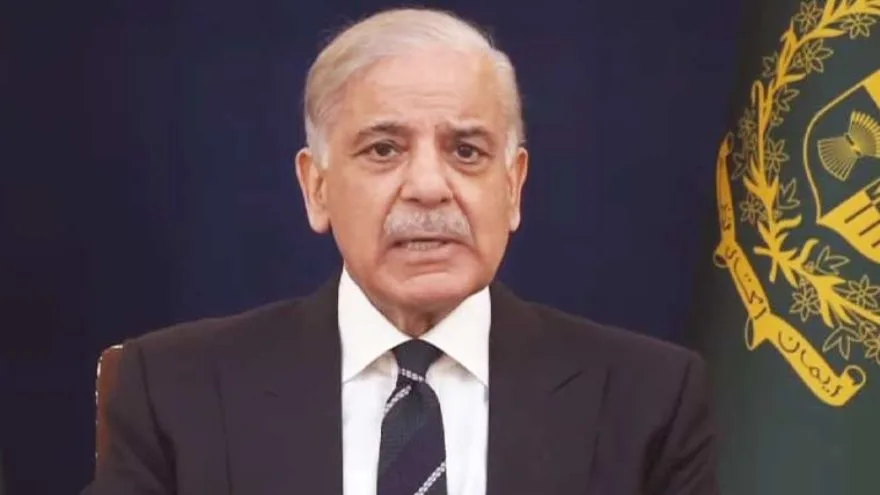
Prime Minister Shehbaz Sharif unveiled a comprehensive austerity plan today, outlining four-day workweeks, 50% remote working arrangements, and spending cuts in response to escalating fuel crises triggered by regional tensions. Addressing Pakistanis from Islamabad, the premier highlighted that the ongoing conflict in the Middle East is significantly impacting Pakistan’s economy.
Emphasizing the gravity of the situation, Prime Minister Sharif warned that the escalation of hostilities not only affects the region but also poses a risk to Pakistan’s stability and security. He reiterated that while diplomatic efforts are ongoing, including discussions with international partners aimed at defusing tensions, Pakistan remains committed to maintaining regional peace.
Sharif underscored Pakistan’s resilience in the face of these challenges, noting the effective response by its armed forces under the leadership of Chief of Defence Staff Field Marshal Asim Munir. The prime minister condemned attacks on Iran and retaliatory strikes against Gulf nations, highlighting ongoing discussions with allied leaders for solidarity during this tumultuous period.
He pointed out that global oil markets have reacted to the conflict, with crude oil prices surging from around $60 per barrel to over $100. This surge in international energy costs is profoundly affecting Pakistan’s economy and daily life, particularly due to its reliance on imported oil and gas from Gulf countries.
“Rising petroleum prices were a difficult decision, made with heavy hearts,” the premier noted. “Our primary concern was ensuring households and businesses are not burdened further by rising fuel costs.” He warned that if global trends persist, domestic fuel prices could increase, stressing the need for swift and effective mitigation strategies.
In response to this challenge, the government has introduced several measures to manage economic strain. These include a four-day workweek for government employees, 50% remote working arrangements for staff, and a 25% salary hike for Members of Parliament. Additionally, departmental spending reductions have been mandated as part of broader efforts to control public expenditure.
The premier described these steps as integral parts of a strategy aimed at stabilizing Pakistan’s economy and safeguarding the welfare of its people amid rising global oil prices. He concluded by reiterating that Pakistan will remain vigilant in monitoring evolving conditions, adapt policies accordingly, and maintain close coordination with international partners for navigating both regional instability and soaring energy costs.
This approach underscores Sharif’s commitment to addressing the multifaceted challenges faced by Pakistan, from security threats to economic vulnerabilities amidst global conflicts.
Pakistan Embassy in Qatar Issues Visa Advisory The visa-on-arrival facility for Pakistani citizens traveling to…
Taylor Swift is facing a lawsuit over her latest album titled 'The Life of a…
Andrew Mountbatten Windsor faces criticism over demands for his new home, Marsh Farm. The ex-Prince…
Hundreds of Pakistanis, including Kashmiris, are currently held in Indian custody amid plans for a…
Andrew Garfield, renowned Spider-Man actor, has candidly shared that a question will persistently follow him…
A 35-year-old Pakistani entrepreneur has emerged as a bridge between Islamabad and circles close to…
This website uses cookies.
