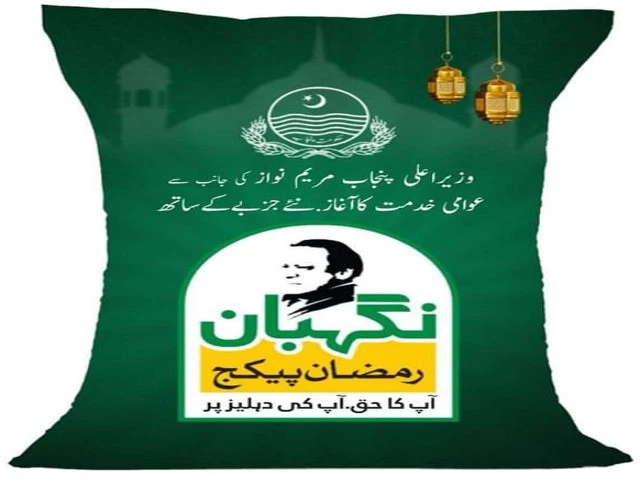
In Punjab, low-income families are grappling with limited access to subsidized essentials ahead of the holy month of Ramadan, as the Utility Stores Corporation has closed down. Many residents in Garhi Shahu, a widow named Naila Begum’s household among them, face financial hardships despite government relief packages. Begum attempted to benefit from the Punjab Chief Minister Maryam Nawaz’s assistance scheme but encountered bureaucratic hurdles and lacked connections.
Local officials revealed that only those with political ties were included in the lists, leaving many adrift without aid. The situation is compounded by a lack of formal Ramazan bazaars or subsidy schemes involving departmental stores to alleviate rising Sehri and Iftar expenses from previous years.
The Government of Punjab has announced its own Ramadan package this year, intended for deserving families identified through existing databases such as the Benazir Income Support Programme. This initiative aims to avoid long lines by providing aid via digital wallets or designated centers in cash or ration packages.
Critics assert that not all lower-middle-class individuals registered in government records will receive relief. Muhammad Ali Khawja of a private NGO, while setting up two dastarkhwans, noted fewer meal camps this year due to high inflation and financial strain on businesses. Philanthropists are now organizing Sehri and Iftar arrangements independently.
Economist Dr Qais Aslam highlighted the region’s poverty rate at around 60% with unemployment hovering between 22-23%. He emphasized that charitable efforts from organizations such as Alkhidmat Foundation, Saylani Welfare International Trust, and Edhi Foundation are crucial. However, inflation has left people struggling to spend even more on these initiatives.
Experts believe a coordinated government policy is necessary given the rising population and inflation rates. Urgent implementation of Ramazan bazaars or digital subsidy models could alleviate current hardships for lower and middle-income groups. The Chief Minister’s initiative through “Nigehban Cards” has issued ATM cards to nearly four million individuals, providing them with essential funds during Ramadan.
Despite such measures, the reality on the ground remains challenging for many. Inflation continues to exacerbate financial strain, rendering life increasingly difficult for those already struggling. Experts argue that philanthropic efforts alone are insufficient and advocate for a more comprehensive government approach.
Mobilink Bank is setting a new benchmark for sustainable banking in Pakistan, rapidly advancing its…
Meezan Bank is stepping up its digital payments strategy, expanding its merchant network and accelerating…
Islamabad, Pakistan: Pakistan’s march towards autism inclusivity needs to be powered through the education sector,…
Britain is set to convene a meeting involving approximately 35 nations this week. The purpose…
Prime Minister Shehbaz Sharif has ordered authorities to develop a comprehensive strategy to address the…
A hiker fell from an 180-foot waterfall in wild New Zealand bush and was airlifted…
This website uses cookies.
