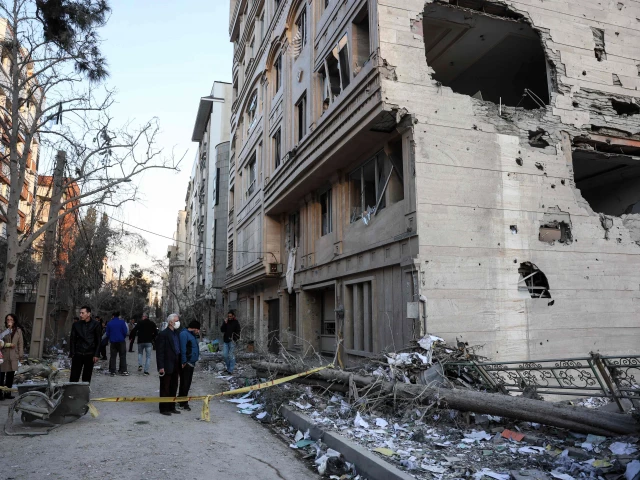
The United States has launched extensive airstrikes targeting Iran, striking more than 1,000 targets to neutralize its top officials, including Supreme Leader Ayatollah Ali Khamenei. The legality of these actions is under intense scrutiny by legal experts and international bodies.
President Donald Trump initially claimed the strikes were intended to prevent an imminent threat from Iran, protecting U.S. military bases and allies overseas. However, some critics argue that such attacks exceed his constitutional authority and violate international law. Critics point out inconsistencies in Trump’s justifications, noting he has not provided verified evidence or intelligence reports.
The White House claims these actions represent a significant escalation of conflict, asserting they could last up to five weeks. In response, Congress is weighing its options with the War Powers Resolution (WPR), which mandates regular reporting to congressional committees and requires military withdrawals within 60 days unless approved by lawmakers. While unlikely to be ratified due to Trump’s potential veto, such a move might serve as a deterrent.
Critics argue that the strikes do not meet international law standards under the UN Charter, especially given Iran’s non-compliance with resolutions demanding sanctions or cessation of nuclear activities. There are also questions about the legality of assassinating Khamenei, considering U.S. laws against murder and assassination within peacetime but potentially justifiable in conflict scenarios.
Israel is reported to have carried out the strike that killed Khamenei, receiving operational support from the U.S., which faces international condemnation for violating UN norms through these actions. The U.S. claims its attack constitutes self-defense; however, legal experts suggest this justification may not hold up given Iran’s non-compliance with Security Council resolutions.
As tensions continue to rise, both domestic and international stakeholders are closely watching how Washington navigates the complex web of legality, ethics, and strategic objectives behind these strikes against a sovereign nation.
The Aga Khan University's (AKU) Centre for Innovation in Medical Education (CIME), Karachi, hosted SIMPACT…
Meezan Bank, Pakistan's premier Islamic bank, once again partnered with The Indus Hospital & Health…
Pakistan’s leading digital microfinance bank, Mobilink Bank, and Yango, part of the global technology company…
Pakistan’s freelancing market is rapidly emerging, and the export earnings of Pakistani freelancers are expected…
To celebrate the release of Atif Aslam’s highly anticipated new album, Subah Aye Na, Spotify…
KARACHI: Supernet Technologies Limited (STL) is looking to strengthen its working-capital capacity as a growing…
This website uses cookies.
