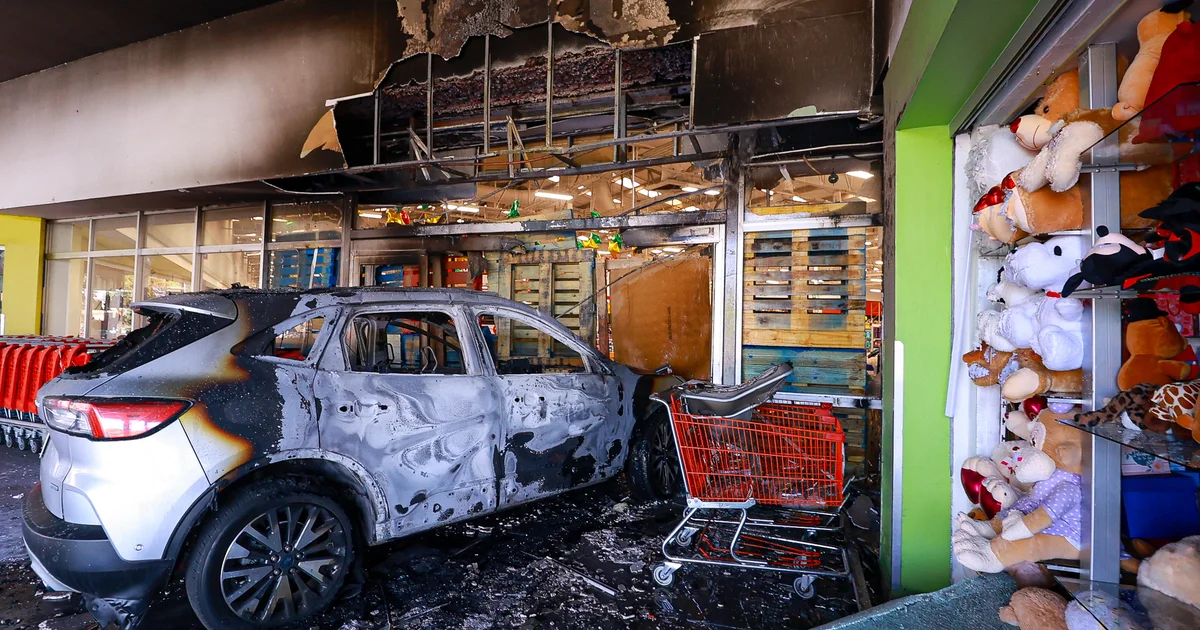
Homeland security officials are closely monitoring the aftermath of a raid that killed Nemesio Rubén Oseguera Cervantes, leader of the Jalisco New Generation Cartel (CJNG) in Mexico. CJNG operates extensive distribution and financial networks across the United States, which have been crucial for its trafficking operations. While there’s no immediate indication of an imminent threat to U.S. citizens from this specific operation, law enforcement agencies are watching for any potential increases in violence or coercion inside domestic trafficking corridors.
Recent transfers of dozens of CJNG suspects into U.S. custody by Mexican authorities reflect a broader bilateral surge in enforcement efforts. These moves have intensified cooperation under the leadership of Mexican President Claudia Sheinbaum and bolstered intelligence sharing through newly established interagency channels linked to U.S. Northern Command.
A defense official from CBS News noted that despite being known as a counter-cartel task force, this operation was primarily executed by Mexican military forces. The Pentagon’s Joint Interagency Task Force has provided support and advice on operations from a distance.
Mexico’s Defense Ministry stated that information from U.S. authorities had been integrated into their bilateral coordination efforts within the context of strengthened cooperation with the United States. There were no American personnel present at the raid, which was carried out by Mexican special forces with assistance from intelligence teams located outside Mexico.
The CJNG has diversified operations to include paramilitary capabilities and used drones for explosives delivery and heavy weaponry in internal conflicts. Despite losing its founder, the cartel remains robust in terms of operational capacity. A succession struggle among regional commanders is now underway, leading to retaliatory attacks and potential destabilization across several Mexican states, a scenario that could mirror past patterns where the collapse of one organization has been followed by further violence.
This renewed vigilance underscores the evolving nature of transnational criminal enterprises and their impact on U.S. security landscapes.
The Aga Khan University's (AKU) Centre for Innovation in Medical Education (CIME), Karachi, hosted SIMPACT…
Meezan Bank, Pakistan's premier Islamic bank, once again partnered with The Indus Hospital & Health…
Pakistan’s leading digital microfinance bank, Mobilink Bank, and Yango, part of the global technology company…
Pakistan’s freelancing market is rapidly emerging, and the export earnings of Pakistani freelancers are expected…
To celebrate the release of Atif Aslam’s highly anticipated new album, Subah Aye Na, Spotify…
KARACHI: Supernet Technologies Limited (STL) is looking to strengthen its working-capital capacity as a growing…
This website uses cookies.
