In recent weeks, diplomatic tensions between the United States and Iran have intensified as both sides look to avert escalating conflict. Last week, US and Iranian diplomats held indirect negotiations in Oman amid increasing naval activity by the US that Tehran perceives as threatening its sovereignty. The talks were meant to address the root causes of their strained relationship, but the discussions quickly devolved into disagreements over Iran’s missile capabilities.
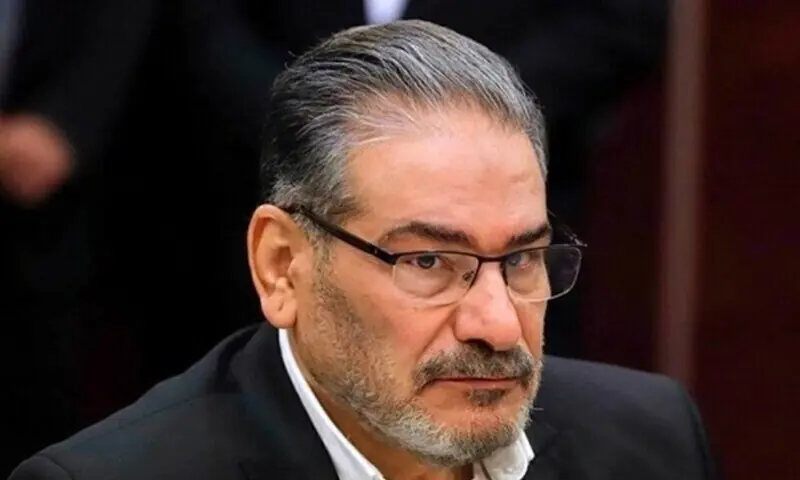
Ali Shamkhani, an adviser to Iran’s Supreme Leader, underscored on Wednesday the unyielding nature of Iran’s missile program: “The Islamic Republic’s missile capabilities are non-negotiable,” he said in a statement for state media. This stance marks a significant divergence from Washington’s longstanding push to incorporate discussions about Iran’s missile program into talks aimed at curbing its nuclear arsenal.
Washington has maintained that addressing the issue of missiles is integral to resolving any potential deal, arguing it undermines the credibility of an agreement if one side feels compelled to make concessions on another contentious subject. Meanwhile, Tehran remains steadfast in its refusal to link negotiations over its nuclear program to other issues such as missile development.
The Iranian Foreign Minister Abbas Araqchi echoed this position earlier this week, stating that Iran’s missile program has never been part of the talks’ agenda. Despite these stances, Israeli Prime Minister Benjamin Netanyahu is set to press US President Donald Trump on his upcoming meeting in Washington. He is expected to advocate for including restrictions on Iran’s missile capabilities within any potential deal between the two nations.
As the world watches this critical juncture in the ongoing standoff, it remains unclear how Tehran and Washington will navigate these delicate negotiations without further escalating tensions. The possibility of a comprehensive agreement hinges heavily on whether both sides can find common ground—or at least mutual acceptance—on the contentious issue of missile capabilities.
The Aga Khan University's (AKU) Centre for Innovation in Medical Education (CIME), Karachi, hosted SIMPACT…
Meezan Bank, Pakistan's premier Islamic bank, once again partnered with The Indus Hospital & Health…
Pakistan’s leading digital microfinance bank, Mobilink Bank, and Yango, part of the global technology company…
Pakistan’s freelancing market is rapidly emerging, and the export earnings of Pakistani freelancers are expected…
To celebrate the release of Atif Aslam’s highly anticipated new album, Subah Aye Na, Spotify…
KARACHI: Supernet Technologies Limited (STL) is looking to strengthen its working-capital capacity as a growing…
This website uses cookies.
