



• 28% of youngsters set passwords on all their devices
• 20% children clear the browsing history after each access to the Internet
• 16% prefer going online when their parents are not around
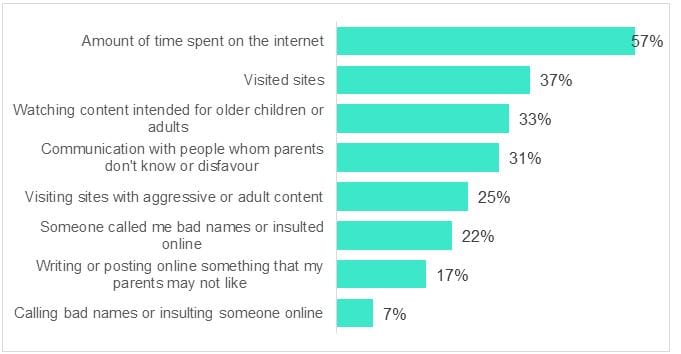
• 57% of teenagers don’t want their parents to know how much time they actually spend on the Internet
• 25% conceal information about visiting websites with aggressive or adult content
According to the findings from a recent Kaspersky survey, among respondents from the META region (Middle East, Turkey and Africa), 48% of children aged 11-17 years old hide their online activities from their parents and other grown-ups. To do this, 28% of youngsters set passwords on all their devices, while 20% clear the browsing history after each access to the Internet so that other family members couldn’t check what they were doing online. And 16% prefer going online when their parents are not around.
Among those who tend to keep their online activities a secret, a significant number of 57% of teenagers don’t want their parents to know how much time they actually spend on the Internet, or which websites they frequent (37%). Even more worryingly, a quarter 25% conceal information about visiting websites with aggressive or adult content, and 33% about watching content intended for adults.
“It is understandable that parents may not be able to monitor all the online activities of their children. However, it is not necessary to do so. Instead, it is more important to build and maintain close relationships with children. Regularly chatting with them about their experiences, including those related to their digital lives, is essential. Creating a communication strategy that allows them to reach out when they have concerns is also crucial,” comments Seifallah Jedidi, Head of Consumer Channel in the Middle East, Turkiye and Africa at Kaspersky. “Applying parental control is not showing distrust to your child; it’s a sensible precaution with which you can, among other things, protect the device and the data on it. It allows parents to control which sites their children visit and which games they play, as well as disallowing file downloads, blocking access to content on unwanted topics and preventing the disclosure of confidential information”.
Kaspersky recommends that by staying informed about the latest threats and actively monitoring their children’s online activities, parents can create a safer online environment for their children. To secure your child from downloading any malicious files during their online experience, we advise to install a trusted security solution on their device. With the right tools such as Kaspersky’s digital parenting app Safe Kids, parents can effectively safeguard their children against cyber threats in the digital space.