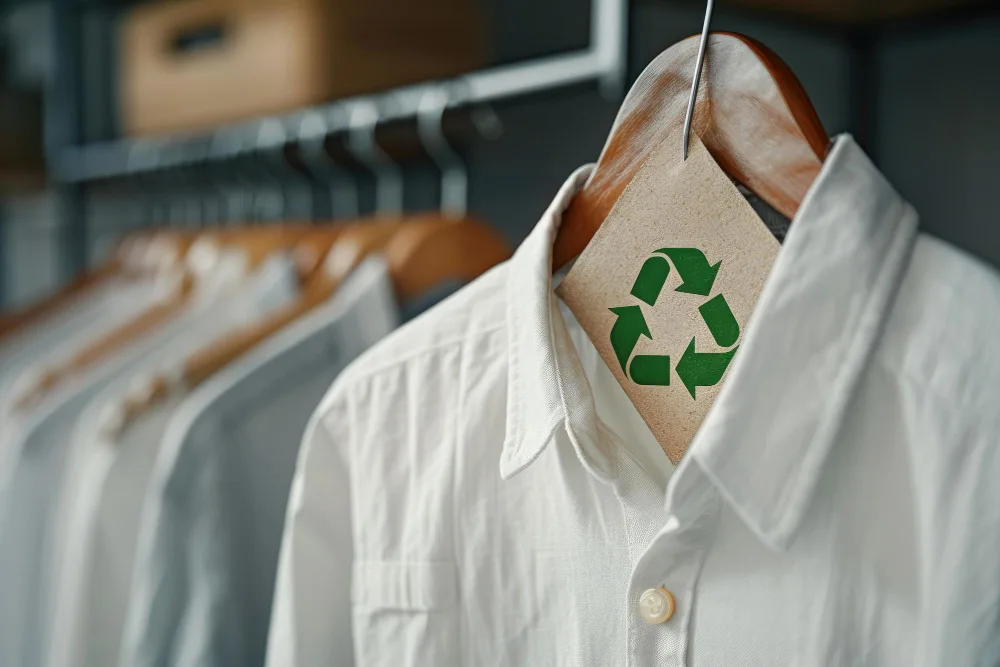
We all love a great deal on trendy clothes, but have you ever stopped to think about the environmental cost of your latest fashion finds? Fast fashion might offer affordable, on-trend pieces, but it comes at a significant price to our planet. Let’s dive into how your clothing choices are impacting the environment and how you can make a difference with simple, conscious decisions.
The fast fashion industry is responsible for 10% of global carbon emissions, a shocking statistic given the scale of its reach. The demand for cheap, mass-produced clothes has led to factories emitting harmful gases, contributing to climate change. In fact, the production of just one pair of jeans can create about 33 pounds of carbon dioxide—equivalent to driving a car for almost 50 miles.
Another often-overlooked impact of fast fashion is its water consumption. The production of textiles, particularly cotton, requires vast amounts of water. Did you know that it takes around 2,700 liters of water to produce one cotton shirt? That’s enough water for a person to drink for 2.5 years! The environmental toll doesn’t end there—most of this water is contaminated with harmful chemicals used in dyeing processes, leading to pollution in rivers and lakes.
The lifespan of most fast fashion clothing is short, often only worn a few times before being discarded. This has contributed to the growing issue of textile waste, with approximately 92 million tons of textiles thrown away globally every year. Sadly, most of these items end up in landfills, where they take hundreds of years to decompose.
While the statistics are alarming, there’s good news: as consumers, we have the power to make a significant change. Here’s how:
Buy Less, Choose Wisely: Instead of falling for the allure of cheap, disposable fashion, focus on high-quality items that will last longer. Think about long-term investment pieces rather than trendy, one-season-only garments.
Opt for Sustainable Fabrics: Materials like organic cotton, hemp, and bamboo are more environmentally friendly than traditional fabrics. Look for brands that prioritize these options to help reduce your fashion footprint.
Embrace Reusables: Instead of constantly purchasing new bags, consider reusable alternatives like a tote bag. A quality tote bag can last for years, reducing your need for single-use plastic bags and contributing to a more sustainable lifestyle.
Recycle and Donate: Give your old clothes a second life by donating them to charity shops, selling them, or recycling them properly. Many brands now offer recycling programs to turn your used clothes into new garments.
Fast fashion may be tempting, but it’s important to realize that each clothing choice has a lasting environmental impact. By being more mindful of our fashion consumption and making small, thoughtful changes, we can reduce the harmful effects of this industry. Let’s take a stand and make conscious choices that benefit both our wardrobes and the planet.
This post was last modified on January 2, 2025 12:10 pm
The Aga Khan University's (AKU) Centre for Innovation in Medical Education (CIME), Karachi, hosted SIMPACT…
Meezan Bank, Pakistan's premier Islamic bank, once again partnered with The Indus Hospital & Health…
Pakistan’s leading digital microfinance bank, Mobilink Bank, and Yango, part of the global technology company…
Pakistan’s freelancing market is rapidly emerging, and the export earnings of Pakistani freelancers are expected…
To celebrate the release of Atif Aslam’s highly anticipated new album, Subah Aye Na, Spotify…
KARACHI: Supernet Technologies Limited (STL) is looking to strengthen its working-capital capacity as a growing…
This website uses cookies.
