As global momentum around electric vehicles (EVs) accelerates, a different reality is taking shape across emerging markets, where plug-in hybrid electric vehicles (PHEVs) are emerging as the more practical and immediate solution—a trend now visible in Pakistan’s evolving auto landscape.
The shift comes as China overtakes Japan and Germany to become the world’s largest car exporter, driven largely by its growing dominance in new energy vehicles, including EVs and hybrids. While developed markets continue to push toward full electrification, infrastructure and cost realities in countries like Pakistan are steering consumers toward alternatives that offer both efficiency and flexibility.
Industry data indicates that electrified vehicles now form a significant and rising share of China’s exports. However, in markets with limited charging infrastructure and inconsistent grid reliability, PHEVs are increasingly being positioned as a transitional technology—bridging the gap between conventional engines and full electric mobility.
Pakistan presents a clear case of this transition. With fuel prices remaining elevated and volatile, consumers are increasingly making decisions based on running costs rather than upfront pricing alone. A conventional petrol vehicle averaging around 10 km per litre translates into significantly higher per-kilometer costs compared to hybrid and plug-in hybrid options, particularly in urban driving cycles.
At the same time, the structural constraints around EV adoption remain evident. Charging infrastructure is still at an early stage, while concerns around range and usability continue to influence buyer behavior beyond major urban centers.
This has created a natural market for PHEVs—and early data suggests the shift is already underway.
Recent market activity indicates a strong consumer response to plug-in hybrid offerings, particularly in the SUV segment. Industry sources point to robust initial demand for newly introduced PHEV models, reflecting a growing acceptance of electrified drivetrains that do not compromise on convenience.
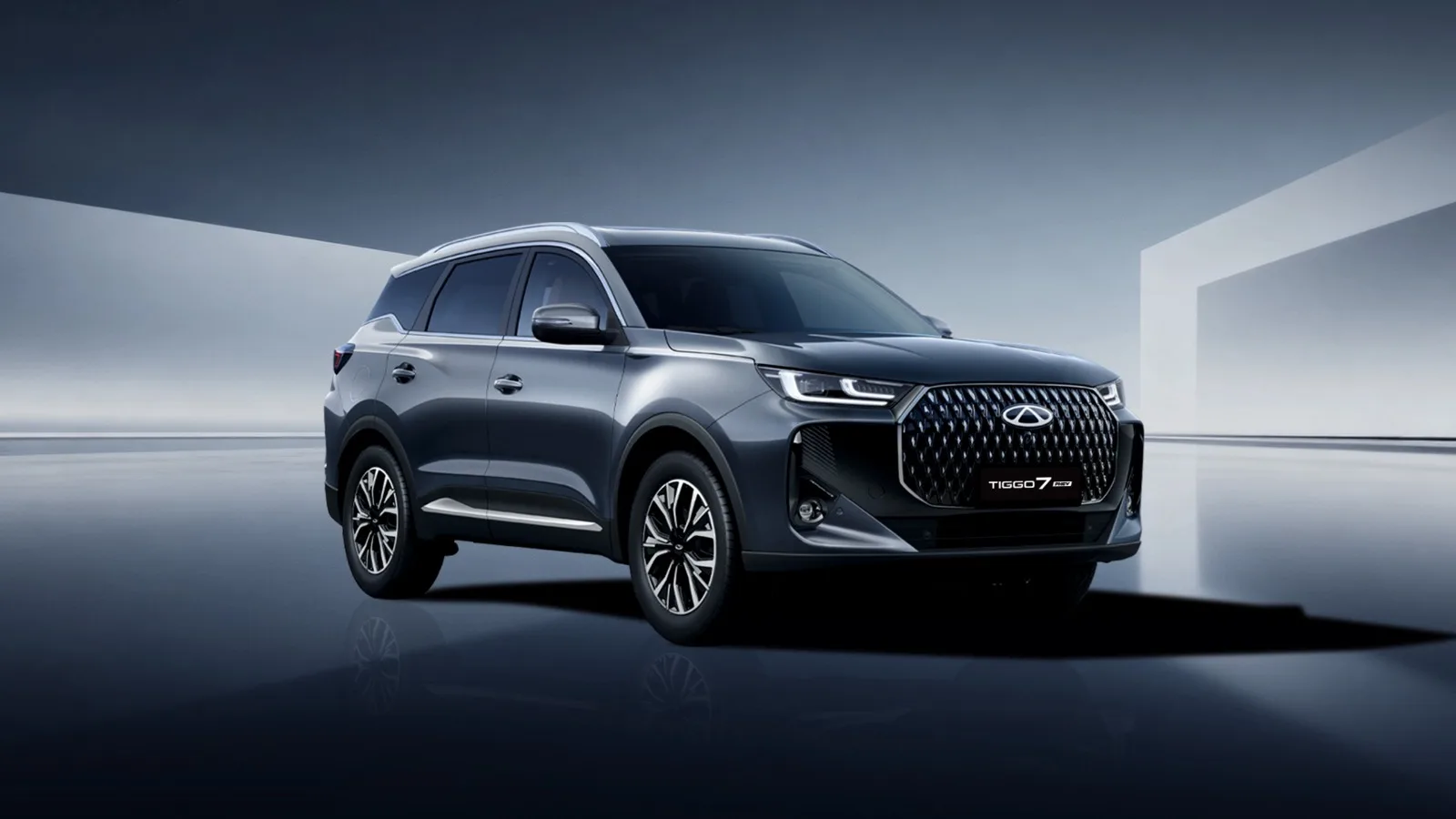
Chery’s entry into Pakistan has emerged as one of the clearest indicators of this shift. The company’s Tiggo PHEV lineup—spanning the Tiggo 7, Tiggo 8, and the flagship Tiggo 9—has received a strong market response, with early bookings and customer interest exceeding initial expectations, according to industry participants.
The range targets multiple segments, from urban consumers seeking efficiency to families and premium buyers looking for a combination of performance, technology, and fuel savings.
Market observers note that the appeal of these vehicles lies not only in reduced fuel consumption, but also in their ability to operate in electric mode for daily use while retaining the flexibility of conventional fuel for longer distances—a key requirement in Pakistan’s current environment.
Globally, PHEVs are increasingly being viewed as a bridge technology, particularly in regions where EV ecosystems are still developing. China’s export strategy appears to be aligned with this reality, focusing on scalable hybrid solutions that can be adapted across diverse markets.
For Pakistan, this suggests a more phased transition toward electrification. Rather than a direct shift to fully electric vehicles, the country’s automotive evolution is likely to be driven by plug-in hybrids in the near to medium term, enabling gradual adoption while addressing immediate economic and infrastructure constraints.
As this transition unfolds, early market signals indicate that consumer behavior—shaped by fuel economics and practicality—may ultimately play a more decisive role than policy alone in determining the future of mobility in Pakistan.
The Aga Khan University's (AKU) Centre for Innovation in Medical Education (CIME), Karachi, hosted SIMPACT…
Meezan Bank, Pakistan's premier Islamic bank, once again partnered with The Indus Hospital & Health…
Pakistan’s leading digital microfinance bank, Mobilink Bank, and Yango, part of the global technology company…
Pakistan’s freelancing market is rapidly emerging, and the export earnings of Pakistani freelancers are expected…
To celebrate the release of Atif Aslam’s highly anticipated new album, Subah Aye Na, Spotify…
KARACHI: Supernet Technologies Limited (STL) is looking to strengthen its working-capital capacity as a growing…
This website uses cookies.
