In the era of rapid technological advancement, artificial intelligence (AI) now extends beyond terrestrial landscapes into the realm of space. A new frontier in this regard is the concept of “orbital computing,” which has transitioned from science fiction to a trillion-dollar strategic area.
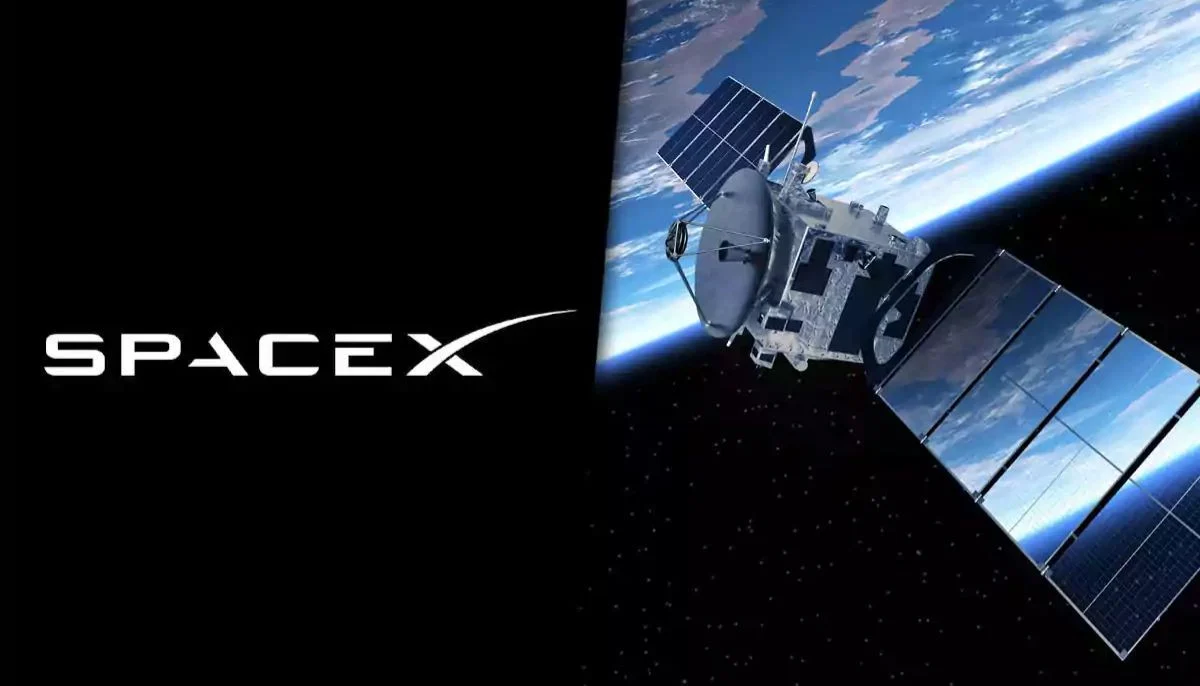
SpaceX leads this shift by developing space-based AI data centers using its launch capabilities. The company aims to build the world’s first and largest network of orbital data centers, promising solutions for terrestrial AI bottlenecks such as energy and cooling issues.
In recent developments, SpaceX has filed with the Federal Communications Commission (FCC) for approval to launch up to one million satellites designed to form this network of space-based AI data centers. The project describes itself as a “constellation of satellites with unprecedented computing capacity,” aimed at powering advanced AI models and applications that rely on them.
The scope of this project surpasses the existing Starlink constellation, which includes over 9600 satellites in Earth’s orbits. These new satellites would deliver substantial computing power to support cutting-edge AI models and data processing. To address energy-related challenges, these centers will utilize constant solar energy, significantly reducing operational costs and environmental impacts while meeting increasing AI system demands.
High-speed laser links would connect the satellites with each other and with the Starlink network, enabling petabit-level data transfer. While concerns about space debris have arisen due to satellite congestion and collisions damaging low Earth orbit, SpaceX’s CEO, Elon Musk, reassures experts by stating that the spacing between these new satellites will make it difficult to see one from another, making collision risks minimal.
Earlier this month at the World Economic Forum in Davos, Tesla CEO Elon Musk highlighted the potential benefits of space-based data centers, saying, “It’s a no-brainer building solar-power data centers in space… The lowest-cost place to put AI will be space, and that will be true within two years, three at the latest.” This year, SpaceX aims to go public with an IPO valued at $1 trillion, setting aside some of the funding for development of AI data center satellites.
The Aga Khan University's (AKU) Centre for Innovation in Medical Education (CIME), Karachi, hosted SIMPACT…
Meezan Bank, Pakistan's premier Islamic bank, once again partnered with The Indus Hospital & Health…
Pakistan’s leading digital microfinance bank, Mobilink Bank, and Yango, part of the global technology company…
Pakistan’s freelancing market is rapidly emerging, and the export earnings of Pakistani freelancers are expected…
To celebrate the release of Atif Aslam’s highly anticipated new album, Subah Aye Na, Spotify…
KARACHI: Supernet Technologies Limited (STL) is looking to strengthen its working-capital capacity as a growing…
This website uses cookies.
