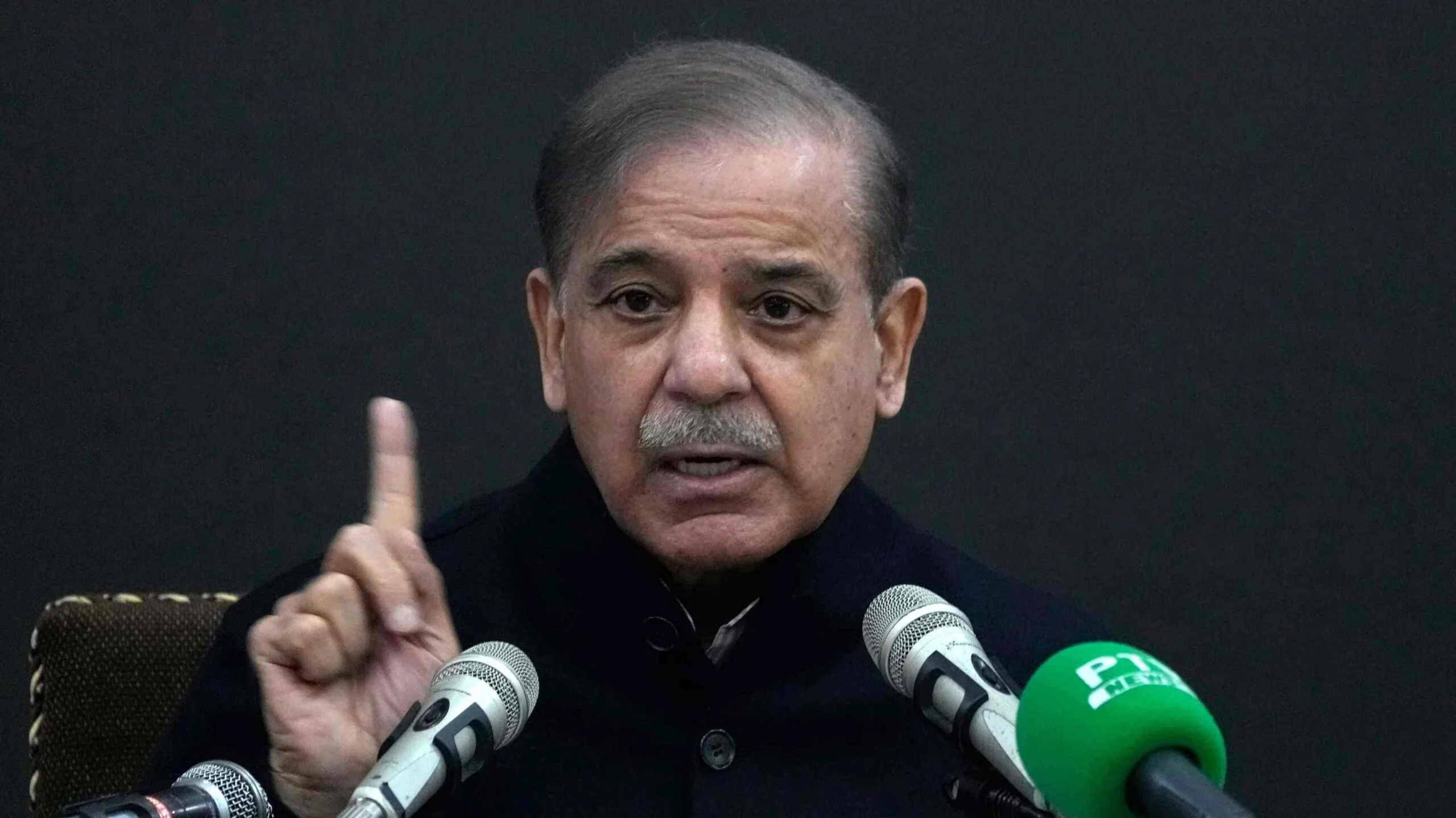
Pakistan is aiming to reduce its power sector expenditure by $17 billion over the next decade through a sweeping overhaul of its national energy development strategy. The government announced Thursday that it would exclude nearly 8,000 megawatts of expensive power projects from the 2024–2034 Indicative Generation Capacity Expansion Plan (IGCEP), shifting focus to locally sourced and renewable energy.
The decision, reviewed during a high-level meeting chaired by Prime Minister Shehbaz Sharif in Islamabad, is part of broader efforts to bring down electricity tariffs and bolster energy sector sustainability. The revised blueprint prioritises solar, hydropower, and nuclear options over projects dependent on imported fuels, in a bid to conserve foreign exchange reserves.
Officials also discussed reducing capacity payments to power producers while introducing market-based reforms aimed at enabling competitive electricity pricing. The plan calls for a move away from direct contracting to a system of open bidding for future power generation projects.
Sharif called for swift completion of major infrastructure initiatives, including the Diamer Bhasha Dam, and said that delays in energy development would not be tolerated.
The meeting included key ministers overseeing power, economic affairs, petroleum, and information, alongside senior civil servants.
The Aga Khan University's (AKU) Centre for Innovation in Medical Education (CIME), Karachi, hosted SIMPACT…
Meezan Bank, Pakistan's premier Islamic bank, once again partnered with The Indus Hospital & Health…
Pakistan’s leading digital microfinance bank, Mobilink Bank, and Yango, part of the global technology company…
Pakistan’s freelancing market is rapidly emerging, and the export earnings of Pakistani freelancers are expected…
To celebrate the release of Atif Aslam’s highly anticipated new album, Subah Aye Na, Spotify…
KARACHI: Supernet Technologies Limited (STL) is looking to strengthen its working-capital capacity as a growing…
This website uses cookies.
