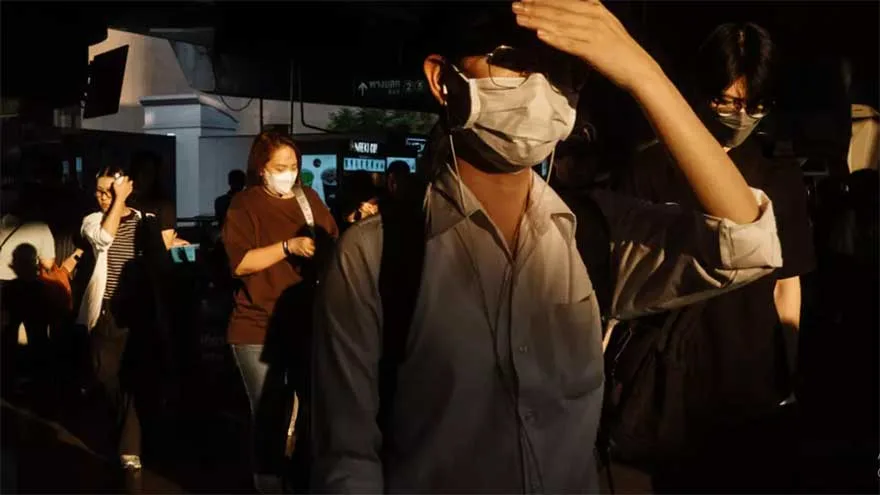
The UN’s weather and climate agency has warned that El Nino conditions could develop as early as May to July. This naturally occurring climate phenomenon is expected to bring significant changes in global winds, air pressure, and rainfall patterns.
El Nino shifts traditional weather patterns around the world, moving rain from regions like Indonesia out to sea, leaving those areas vulnerable to drought and wildfires. The World Meteorological Organisation has noted early signs suggesting this event could be particularly strong, though not officially termed a “super El Nino” by scientists.
Asia is already grappling with the effects of conflict in the Middle East, which have strained energy supplies and led to fears over shortages of fertiliser and other industrial components passing through the Strait of Hormuz. The 1997 El Nino event brought catastrophic impacts, including extreme drought and devastating wildfires in Indonesia, leading to regional air pollution.
The potential for hotter weather will strain already limited energy grids as populations seek cooling solutions, warns Haneea Isaad from the Institute for Energy Economics and Financial Analysis. This could lead to further fuel rationing, demand-side management, and reduced economic activities, impacting overall GDP growth.
Hydropower-dependent countries in Asia are also at risk. Dinita Setyawati of Ember thinktank highlights that Mekong countries, Nepal, and parts of Malaysia are particularly vulnerable due to their reliance on hydropower for energy and trade.
For farmers already facing high costs for fertiliser and fuel, the drought or floods brought by El Nino could further squeeze margins, potentially leading to lower fertilizer application and weaker yields. This could intensify food price inflation and worsen food insecurity in regions heavily dependent on imports.
While climate change’s direct impact on El Nino emergence and intensity is still under study, it is known that global warming will increase the frequency of intense heatwaves and sudden heavy rainfall events. Experts recommend countries across Asia diversify their energy systems and green them to enhance resilience against these disruptive weather patterns.
The Aga Khan University's (AKU) Centre for Innovation in Medical Education (CIME), Karachi, hosted SIMPACT…
Meezan Bank, Pakistan's premier Islamic bank, once again partnered with The Indus Hospital & Health…
Pakistan’s leading digital microfinance bank, Mobilink Bank, and Yango, part of the global technology company…
Pakistan’s freelancing market is rapidly emerging, and the export earnings of Pakistani freelancers are expected…
To celebrate the release of Atif Aslam’s highly anticipated new album, Subah Aye Na, Spotify…
KARACHI: Supernet Technologies Limited (STL) is looking to strengthen its working-capital capacity as a growing…
This website uses cookies.
