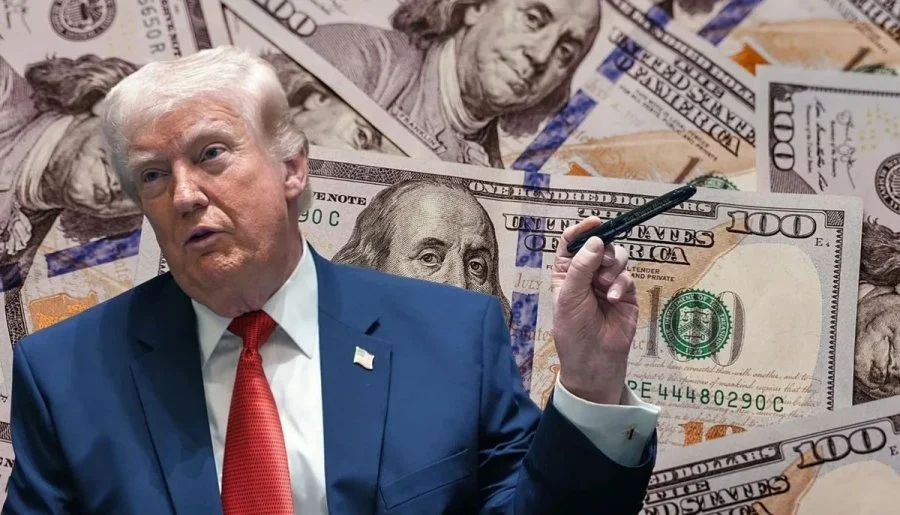
New signatures are set to appear on US currency in June, marking a significant departure from 165 years of tradition. Donald Trump’s signature will be added to $100 bills as part of the US 250th anniversary celebration.
This change replaces the role of the US Treasurer, who has signed banknotes since 1861. The Treasury Secretary’s signature will remain on the bills alongside the President’s. However, an 1866 law prohibits portraits of living current or former presidents from appearing on paper currency.
Most nations feature signatures from central bank leaders or finance officials rather than heads of state. Trump joins a select group of sitting leaders-primarily from developing or transition economies-who have had their autographs or likenesses on national currency.
Historical examples include Mobutu Sese Seko, Idi Amin, and Ferdinand Marcos Sr., all of whom appeared on their country’s currency during their respective terms. Critics argue the change risks politicizing a traditionally neutral symbol, while supporters view it as a tribute to economic revival and commemoration of a historic milestone.
The Aga Khan University's (AKU) Centre for Innovation in Medical Education (CIME), Karachi, hosted SIMPACT…
Meezan Bank, Pakistan's premier Islamic bank, once again partnered with The Indus Hospital & Health…
Pakistan’s leading digital microfinance bank, Mobilink Bank, and Yango, part of the global technology company…
Pakistan’s freelancing market is rapidly emerging, and the export earnings of Pakistani freelancers are expected…
To celebrate the release of Atif Aslam’s highly anticipated new album, Subah Aye Na, Spotify…
KARACHI: Supernet Technologies Limited (STL) is looking to strengthen its working-capital capacity as a growing…
This website uses cookies.
